 Image 1 of 7
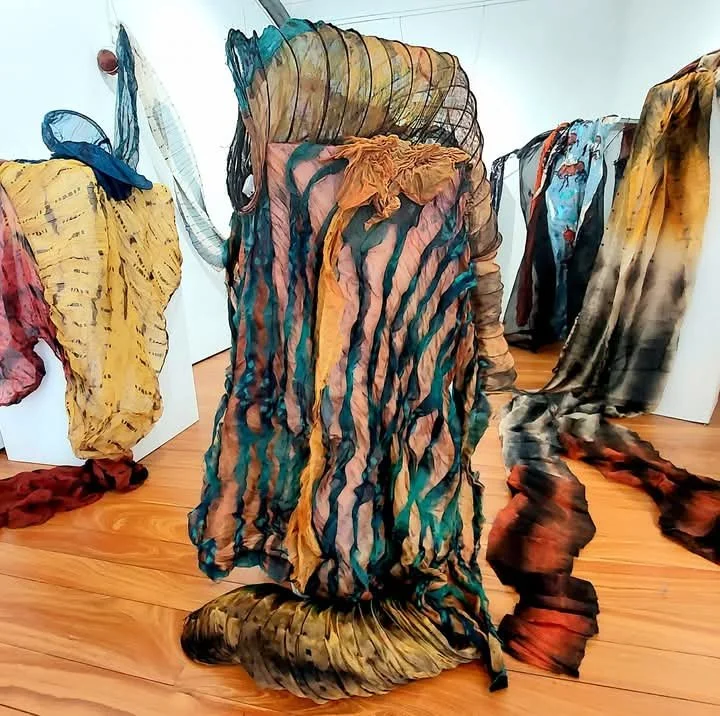 Image 2 of 7
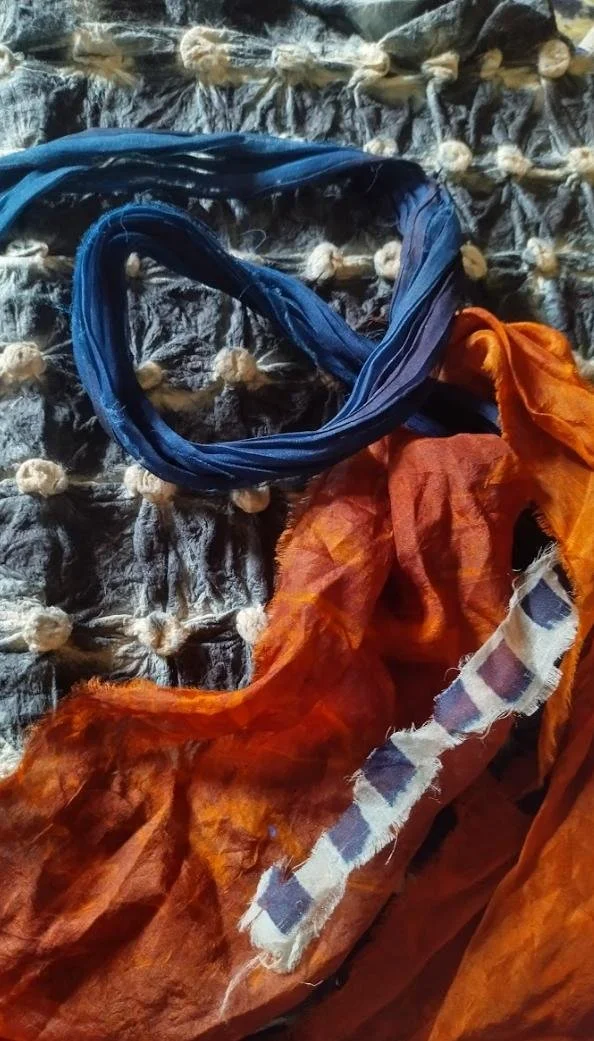 Image 3 of 7
 Image 4 of 7
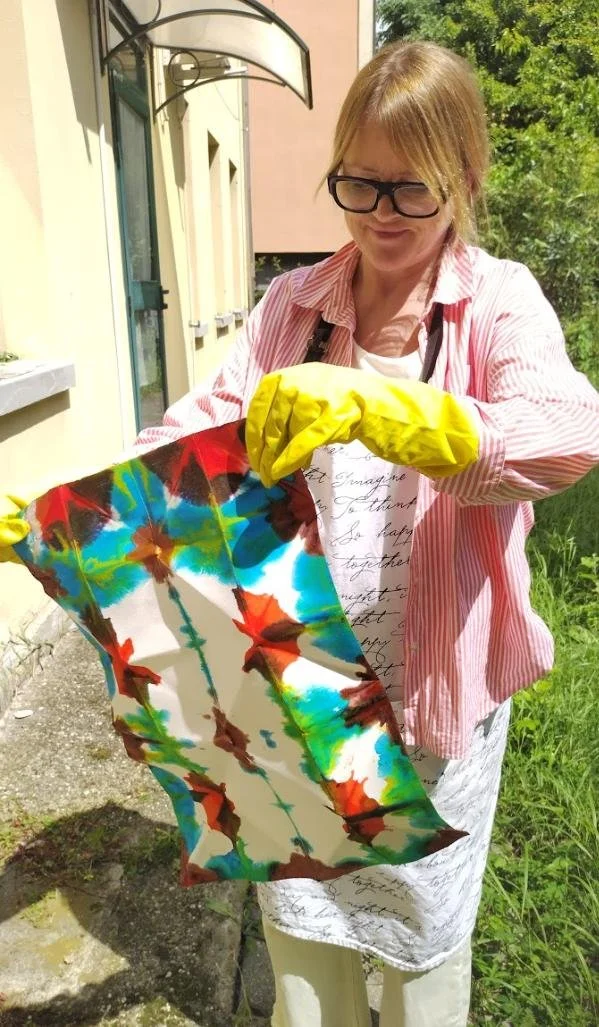 Image 5 of 7
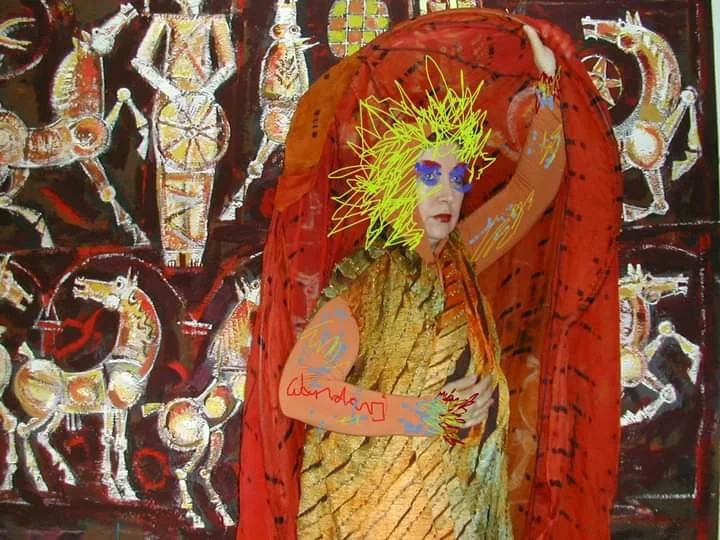 Image 6 of 7
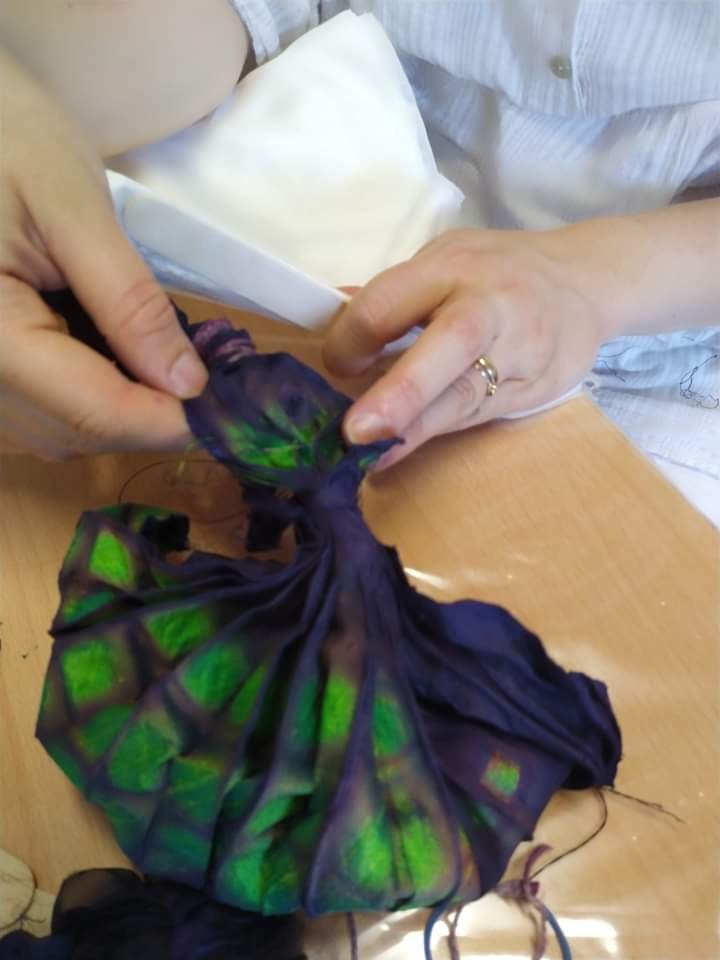 Image 7 of 7
ESSENTIAL INFO
If you purchase a ticket for this course, all the information on this page will be emailed to you with your ticket.
👥 Suitable for: Ages 16 and up
📍 Venue: Bellingen High School (Wheelchair Accessible)
📈 Level: INTERMEDIATE to ADVANCED skill level
⏰ Schedule: Mon–Fri, 9am – 4pm (5 Full-Days)
🏷️ Extra costs: This course has a cost of $40 for materials
Required skills & experience
Skills - handsewing and simple stitching
Ability to use a sewing kit
Basic understanding of textiles and the properties of silk
Understanding of dyeing fabric and following safety regulations around dye baths
Basic folding techniques - concertina etc
A willingness to experiment and go beyond the boundaries of conventional clothing
Supplies that will be provided by your tutor:
Cost of $40 includes:
3 metres of various types of silks from Italy including velvet and Giorgio Armani organza offcuts
Cords
Acid dyes to be divided at the end so students' can take some samples home
Printed notes
Spumanti plastic corks for 3 D relief patterns, tò be divided at the end of workshop
NOTE: Supply costs will be collected by the tutor before Camp Creative.
Supplies that you need to bring to class
Sewing kit including:
Needles
Scissors
Tailor's chalk
Strong fine thread for hand sewing - Quilting thread is good as it does break or knot so much (some will be provided for students to use)
Packet of thin-medium large elastic bands
Packet of wooden clothes pegs
Ball of crochet cotton or synthetic strong (thin but strong)
4 Metal paper bulldog clips at least 5cm in length (the long ones that open wide are best)
Wooden stencils or perspex (MUST BE PAIRS) for clamping if you have some (tutor will have some to borrow)
2 car battery clamps and medium G clamps
Ppacket of safety pins various sizes
Small plastic bucket and plastic fruit trays without holes
Gas mask with cannisters or a least a dust mask
Thick rubber gloves
Plastic apron
Shoes with covered toes to avoid burns
Small objects eg. stones, wine corks, glass pebbles, champagne corks, chickpeas, coins, walnuts (unshelled) - anything that doesn't melt when heated
CD or DVDs (at least 8)
Piece of cotton towel for ironing on top of samples
Small pieces of silk and scraps to experiment (Can be black or dark or light colour as long as they are thin, thai silk and silk velvet are OK)
If possible, a hard cardboard tube at least 39cm diameter or plastic plumbers pipe, at least 50cm long
Coloured and uncoloured silk pieces and remnants
Students can bring premade nuno felt-natural coloured merino on white habitai silk.
Please note: Do NOT bring cotton and synthetic fabrics as they will not take up the dyes and crowd the dye Vats, thin viscose is acceptable.
Learning outcomes
Master Shibori Resist Techniques: Confidently execute a variety of adapted traditional and contemporary Japanese resist-dyeing methods.
Manipulate Fabric Colour: Safely and effectively utilise modern acid dyes on protein fibres (silk and wool) alongside discharging agents to remove and alter colour.
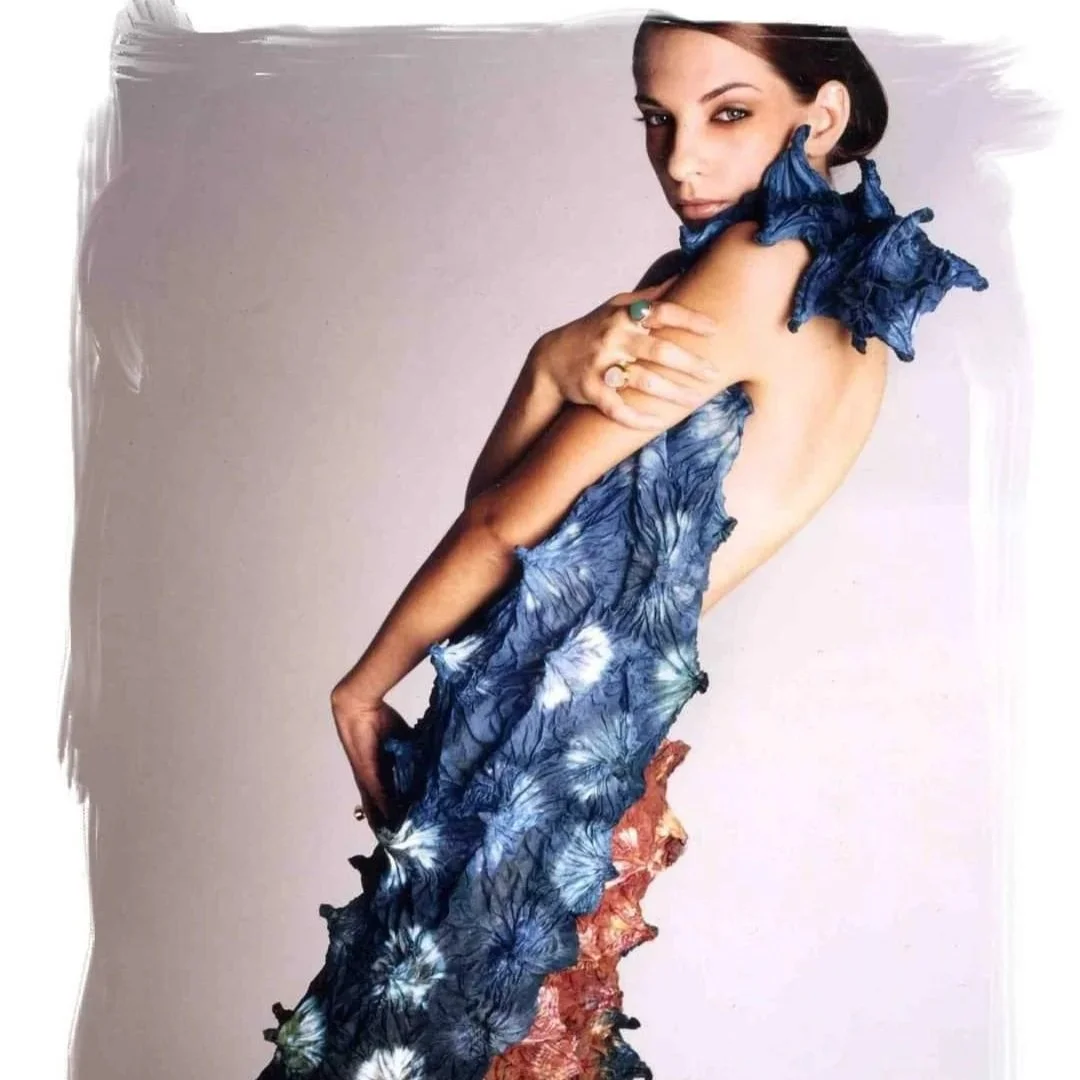
Sculpt 3D Textile Structures: Apply heat-imprinting and pleating techniques to exploit the 'memory' of silk, transforming flat fabric into dimensional forms.
Design Wearable Art: Synthesize experimental textile samples into a cohesive, well-constructed, and wearable custom garment.
Contextualise and Present Work: Articulate the historical connection between their creations and the 1970s Wearable Art Movement during a final group presentation.
COURSE PLAN
DAY ONE
Introduction to shibori-plenary
Health and safety regulations
Explanation of materials and distribution
Explanation of dyes and procedure
Demonstration of various types of shibori and explanation of samples
Preparation of samples
Dyebath demo and hands-on individual samples and planning of larger pieces for draping
DAY TWO
Discharge dyebath ..samples and techniques
Continue with hands-on samples and collaboration between students' brainstorming ideas
DAY THREE
Students to continue with samples and work on larger projects
Full use of dyebaths and discharge baths available in morning and afternoon so students can consolidate their choice of techniques to finalize a wearable piece/pieces, encouraging collaboration and peer feedback
Presentation walkthrough by students
Sharing ideas on completed work and prep for a performance presentation with music and atmosphere
COURSE TUTOR
Patricia Black
Patricia has studied this art with Japanese dyemasters and writer of the Shibori bible - Yoshiko Wada, president of the World Shibori Network as well as designers in Japan in 1993 - Junichi Arai, Hiroyuko Shindo and Kae Hayakawa.
Patricia learnt the ancient techniques of 'Shibori' and adapted them using acid dyes on silk and wool in place of traditional indigo to create 3D forms that stretch and move, hang suspended or even wrap around the body.
The use of high quality Italian silks enhances the drapery and flow of these unique wearables, getting back to the notion of Wearable Art that flowered in San Francisco in the 70s.
Patricia is travelling all the way from Italy to teach for us!

BUY TICKETS
Not ready to book just yet?
Pop your details into the form and we’ll email you when this course is almost sold out.
No spam, just a friendly reminder before you miss out.
By filling out the form below, you agree to receive email course status updates from Camp Creative.