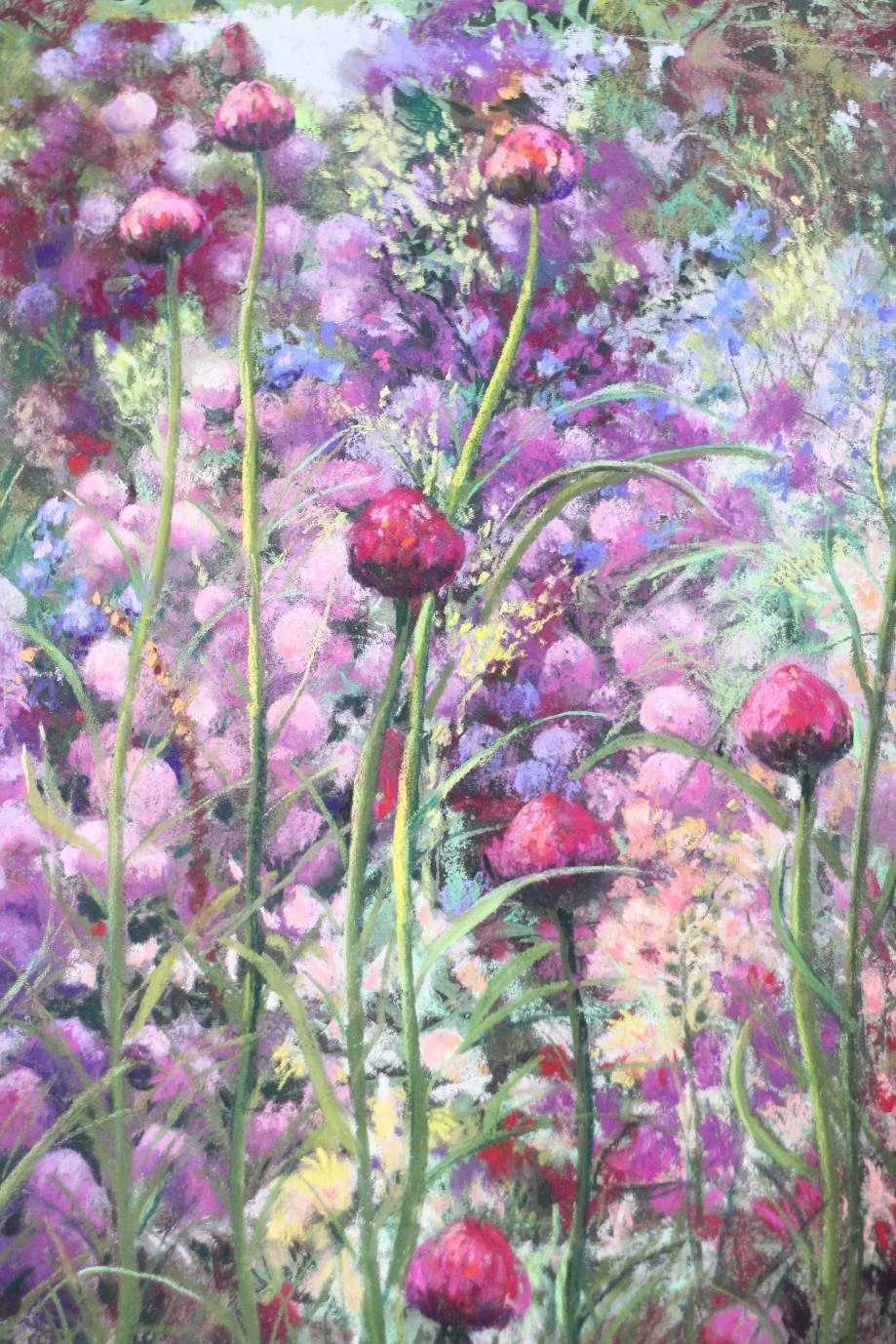
 Image 1 of 9
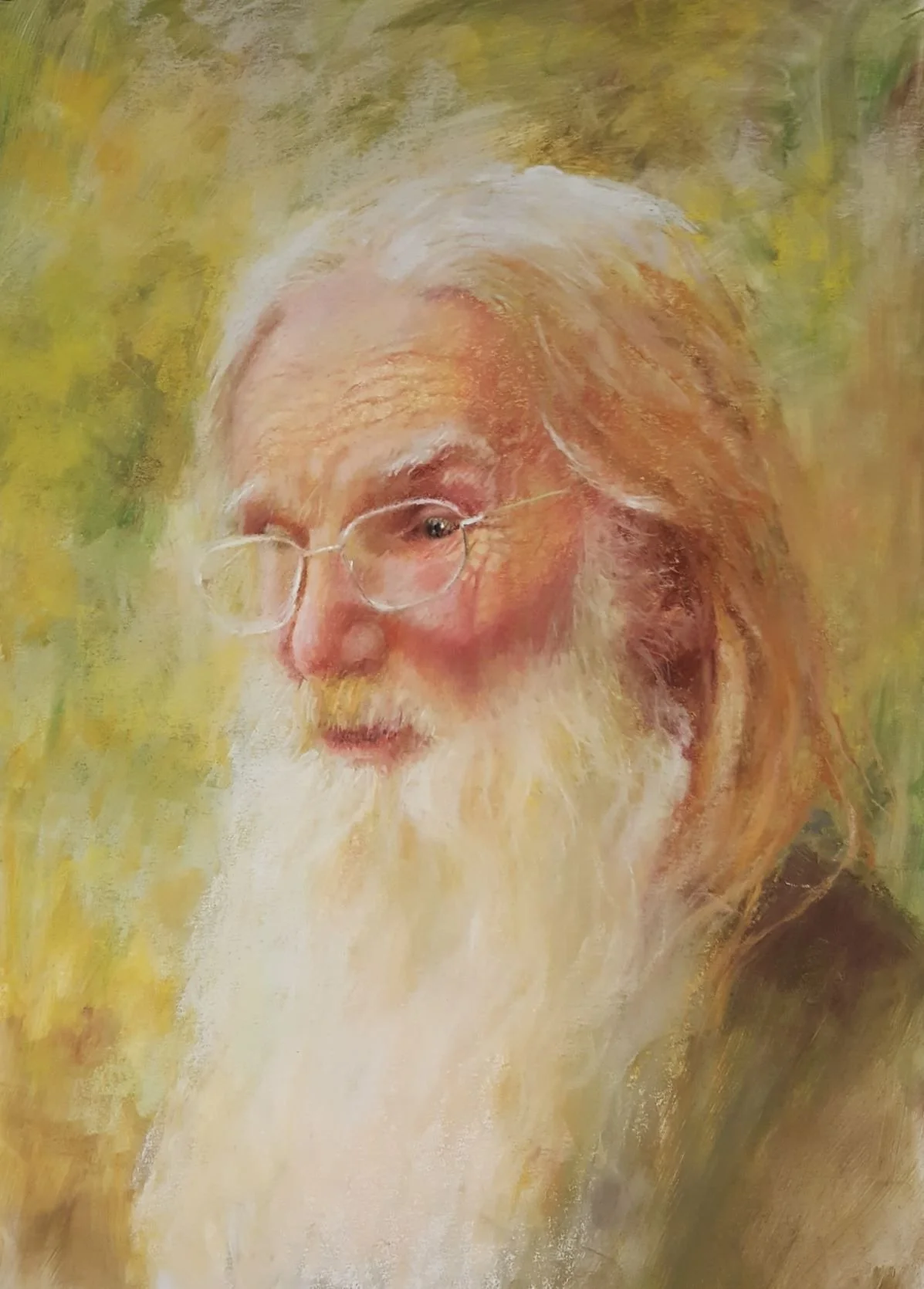 Image 2 of 9
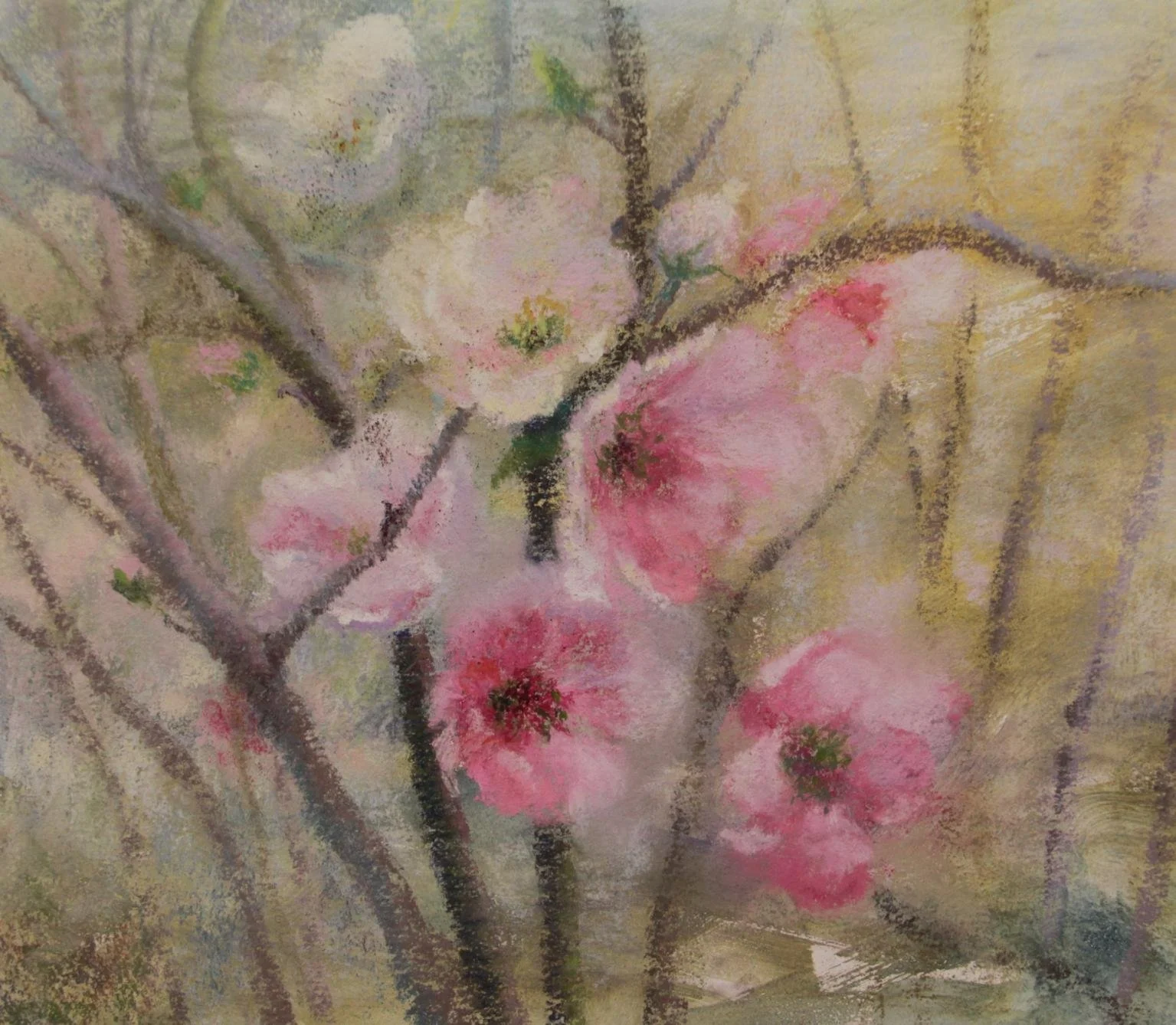 Image 3 of 9
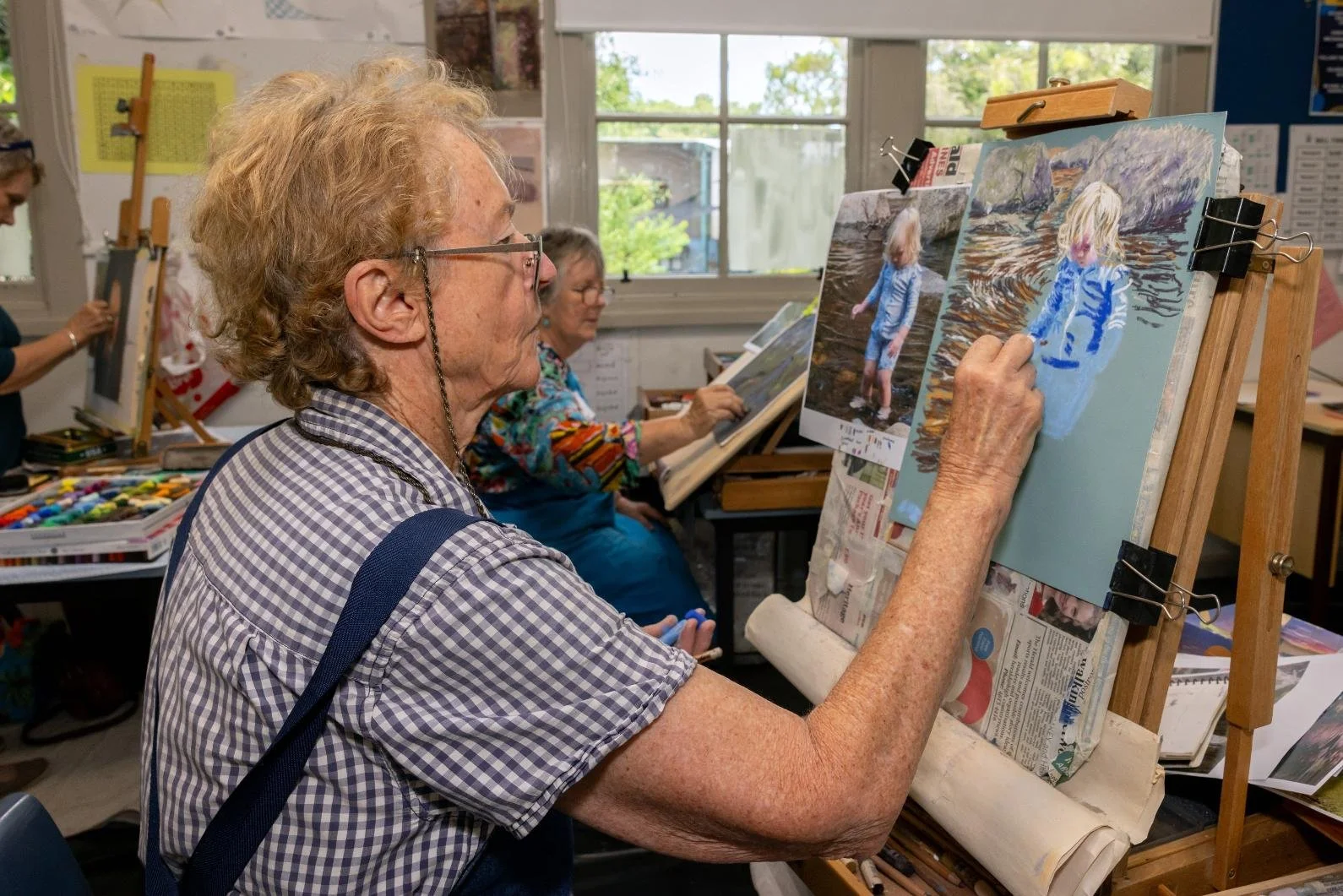 Image 4 of 9
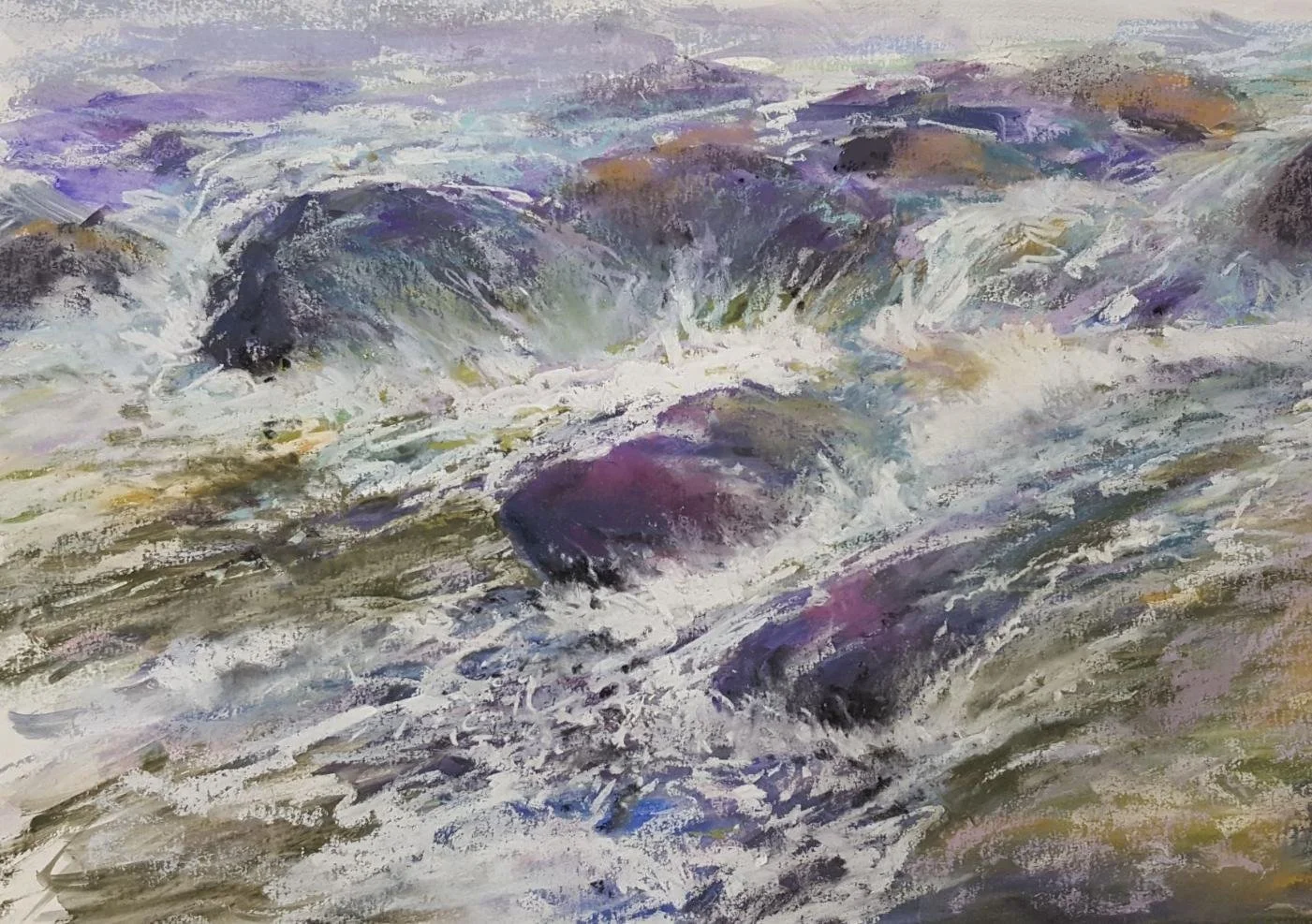 Image 5 of 9
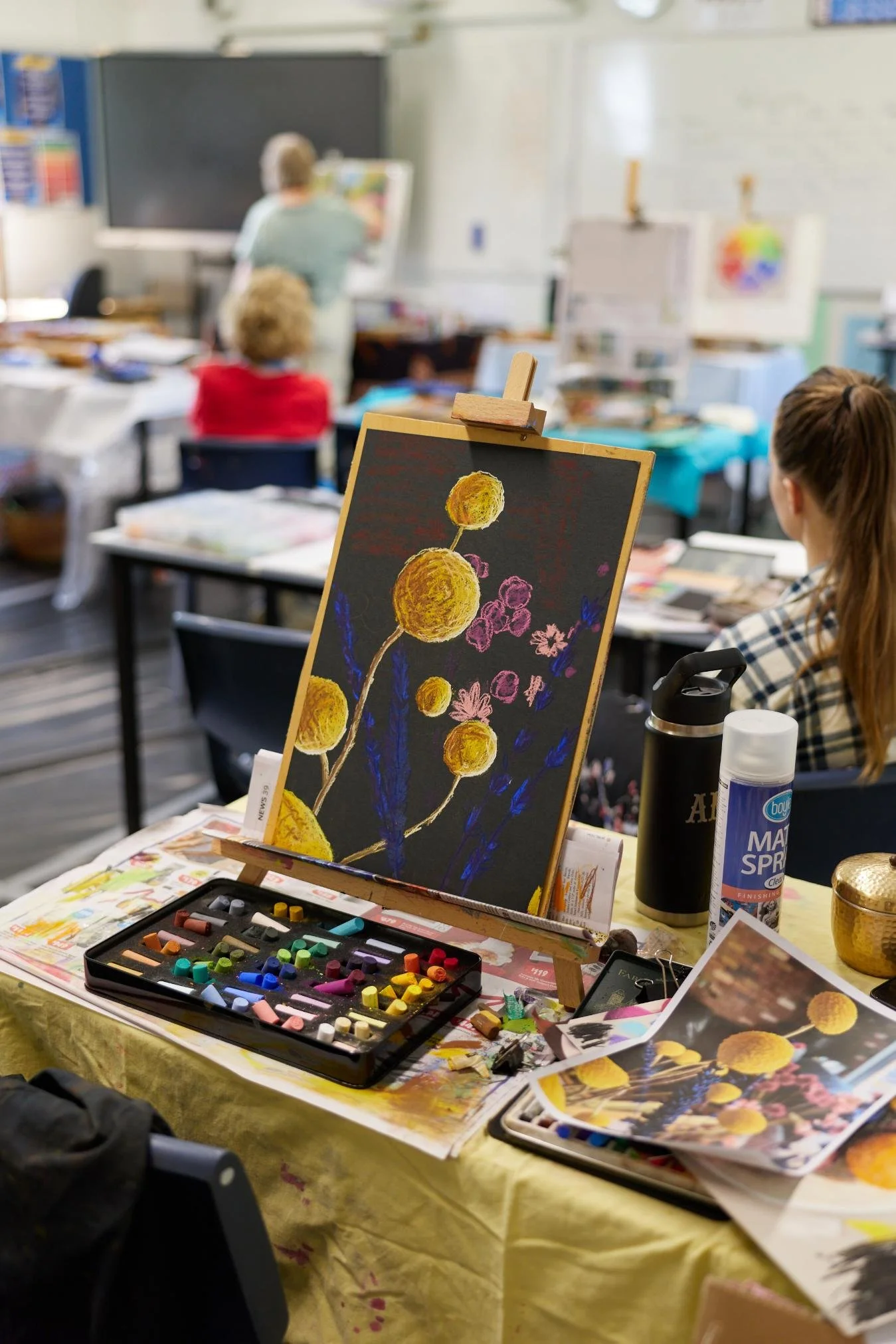 Image 6 of 9
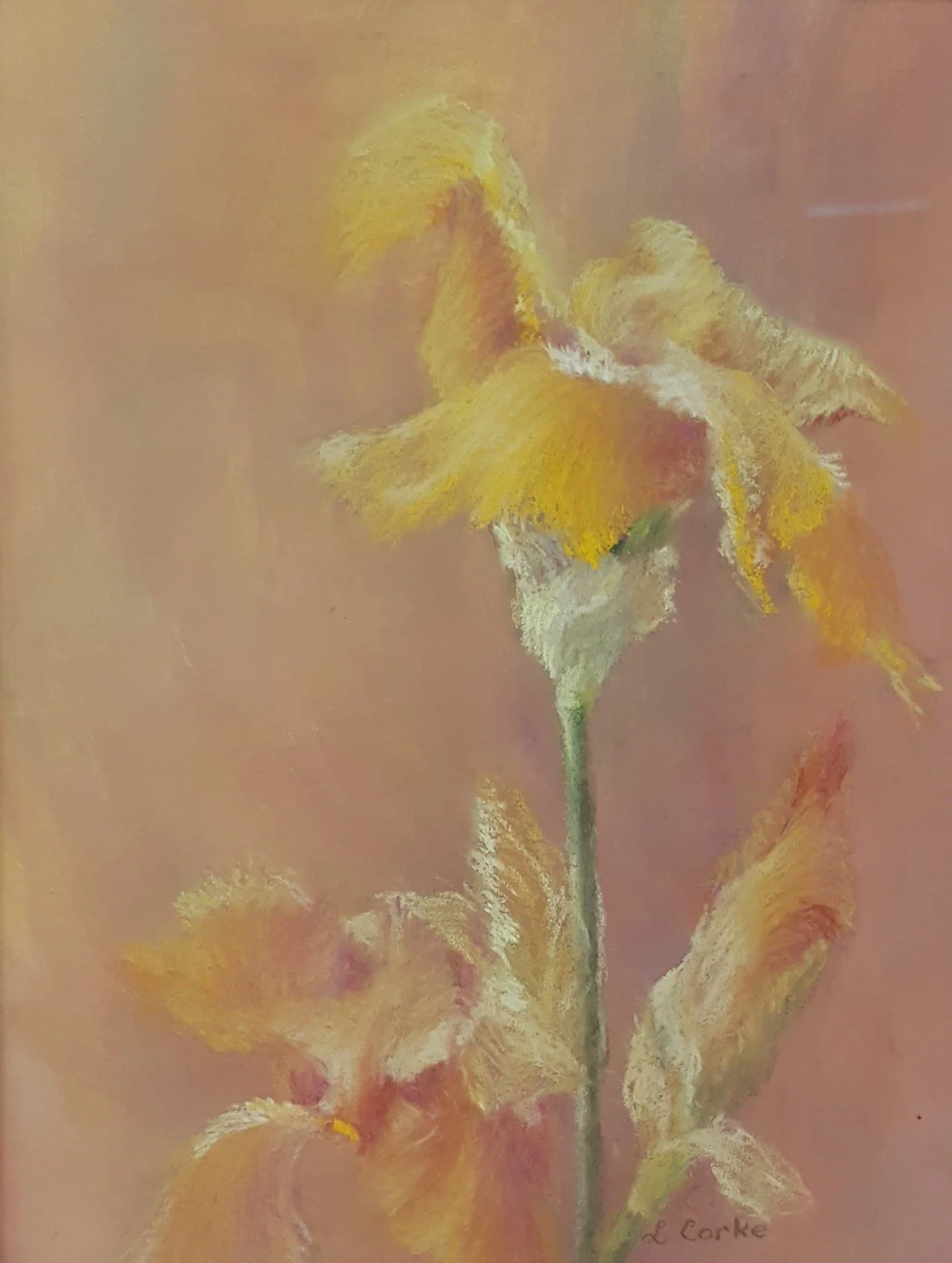 Image 7 of 9
 Image 8 of 9
 Image 9 of 9
ESSENTIAL INFO
If you purchase a ticket for this course, all the information on this page will be emailed to you with your ticket.
👥 Suitable for: Ages 18 and up
📍 Venue: Bellingen High School (mobility aid accessible)
📈 Level: Suitable for all skill levels
⏰ Schedule: Mon–Fri, 9am – 4pm (5 Full-Days)
Required skills & experience
No experience required
Those more experienced with pastels are welcome to attend – Louise will gladly coach you through your own projects, should you prefer to work towards your personal goals with pastel over the Camp Creative week.
Supplies that you need to bring to class
A range of soft and hard pastels of “Artist Quality” (brands such as Rembrandt, Faber Castell Hard, Art Spectrum, Unison and Schmincke are all good options) in all the colour families (red, orange, yellow, green, blue and violet). A basic shared box of pastels will be made available for those with a limited supply.
If purchasing pastels, please note that oil pastels are unsuitable (they are a different medium to soft pastels). Pastels labelled ‘artists' pastels’ are also unsuitable (these have lots of fillers, give weak colour, usually fade, and don’t layer satisfactorily). Please only buy pastels labelled ‘Artist Quality Pastels’. By using these you will achieve greater joy and far superior results.
Pastel pencils are optional
Pastel paper – bring a variety of pastel papers of colours that you enjoy. Sanded papers such as Art Spectrum Colour Fix (sandpaper-type surface) for wet pastel techniques exercises and the underpainting exercises. The paler colours work best for under-painting, even white would be suitable in this instance.
Pastel papers such as the Canson pad of pastel papers are fine (Canson XL Sand Grain, or Canson Mi-Teintes Pastel Drawing paper). The grey-toned pad is ideal in an A3 size. This will be for the pastel drawing exercises.
Bring sufficient of both types of the above-mentioned papers for your very own projects.
Backing board – large enough to suit your pastel papers. Layer several sheets of newsprint on the board to provide a good working surface. Clips to attach your papers to the backing board
Charcoal (willow and compressed – whatever you have at home), kneaded eraser (Faber Castell brand is far superior to any other), wet wipes or rags to clean your hands.
Cloth to cover your workspace
Table easels and a backing board with clips to attach your paper
Scissors and masking tape
Newspaper to create a catch tray for pastel dust
Fine Spray bottle for water
1-2 soft, cheap, old, synthetic 1 or 2 -inch flat brushes, and a small container/jar for water. Paper towels or a small rag
OPTIONAL: Clear pastel primer (Art Spectrum brand is preferred) and an old sponge to apply. This can be used to create textures and cover an overworked area on a painting. Only suitable on pastel paper that can be wetted, such as Art Spectrum (AS) Colourfix paper.
A few sheets of glassine paper to allow for easy transporting of your pastel artwork back home
OPTIONAL: Fixative if desired – preferably Spectra Fix – available online and in stores. No aerosol sprays to be used indoors for health and safety reasons.
Notebook or visual diary for notes and sketches, pen and or pencils
Your own rubbish bags
Your own hand sanitiser
Face Masks in the event you have a cough, etc
Personal tissues
Coffee cup and supplies for making your own hot drinks (an electric jug usually provided to each classroom)
A small battery-powered lamp to illuminate any props that you bring – nothing with a cord, please, for safety reasons. Amazon has some around the $22 mark.
References:
Bring along A4 photos of subjects that you enjoy - enough for the whole week. Working from a digital device is okay SO LONG AS you ALSO have a printed copy of your images. Copying services are usually available at the camp office for a small fee.
Feel free to bring along any props with which you may also work. Props will always give you more satisfactory and accurate colour than photos provide.
Learning outcomes
Play with Pastel Techniques: Get comfortable with soft pastels and master cool texturing tricks, like underpainting, wetting your pastels, and trying different mark-making styles.
Tackle Any Subject You Love: Confidently paint whatever genre calls to you—whether that’s a pet portrait, a moody landscape, crashing seascapes, or vibrant flowers.
Layer and Blend Like a Pro: Learn how to layer vibrant colors and manipulate values to create depth, light, and beautiful transitions in your artwork.
Run Your Own Creative Projects: Take an idea or reference photo from a blank page to a fully realized, framed-ready composition with expert guidance.
Keep the Addiction Going: Walk away with a collection of your own colourful masterpieces and the confidence to keep sketching and experimenting at home.
COURSE PLAN
DAY ONE
AM
Introduction to or a refresher on some pastel basics
Demonstration of a linear technique followed by a class exercise on this. (reference supplied by tutor)
PM
Demonstration on a broad application approach followed by a class exercise on this. (reference supplied by tutor)
Working independently on your own project
DAY TWO
AM
Demonstration on underpainting, the why and how, followed by a class exercise on this. (reference supplied by tutor)
PM
Demonstration on a broad approach followed by a class exercise on this. (reference supplied by tutor)
Working independently on your own project
DAY THREE
AM
Demonstration on colour tricks followed by a class exercise on this. (reference supplied by tutor)
PM
Demonstration on textures followed by a class exercise on this. (reference supplied by tutor)
Working independently on your own project
DAY FOUR
AM
Demonstration on more colour options followed by a class exercise on this. (reference supplied by tutor)
PM
Demonstration on more textures followed by a class exercise on this. (reference supplied by tutor)
Working independently on your own project
DAY FIVE
AM
Demonstrations - class choice
Finishing all projects
PM
Demonstration - class choice
Q and A
Working independently on your own project if time permits
COURSE TUTOR
Louise Corke
Louise is an internationally recognised Master Pastellist, travelling the world to teach and run workshops. Her work can be found in public and private galleries and publications across the world.
She works with beginners all the way to advanced artists and combines top-notch learning with a supportive, creative environment.
Her journey with pastels began in 1993.

“Inspirational, very well prepared, lots of examples given and demonstrations offered, encouragement challenges and help given to all in a sensitive and supportive way, lots of extras included in each day’s class.”
“Louise is so caring and empathetic. She cares about people and wants them to enjoy themselves, from beginners to advanced students.”