 Image 1 of 20
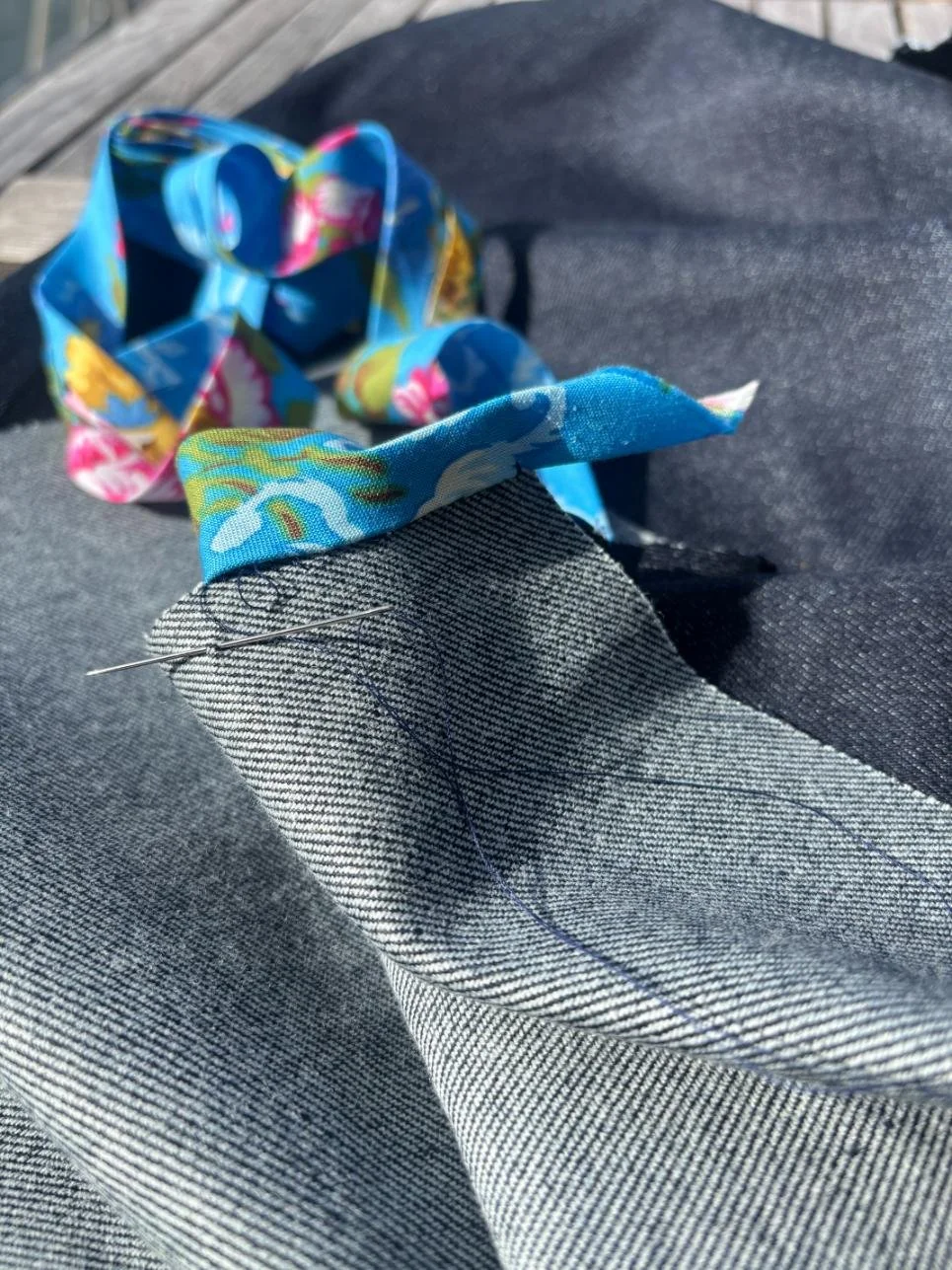 Image 2 of 20
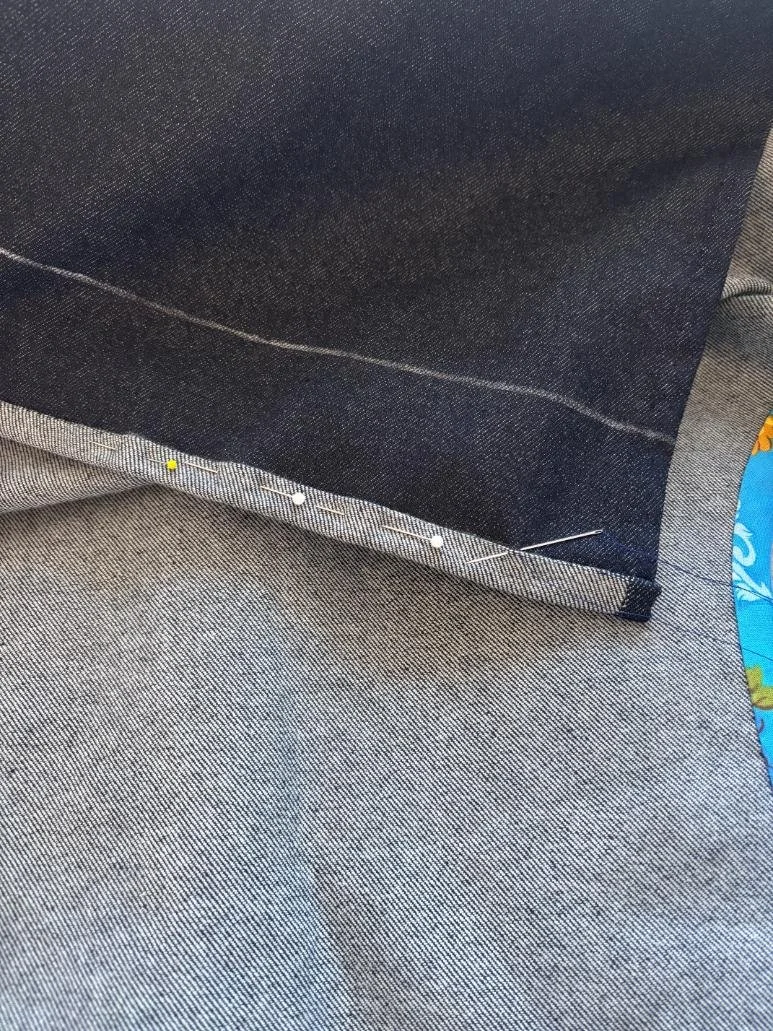 Image 3 of 20
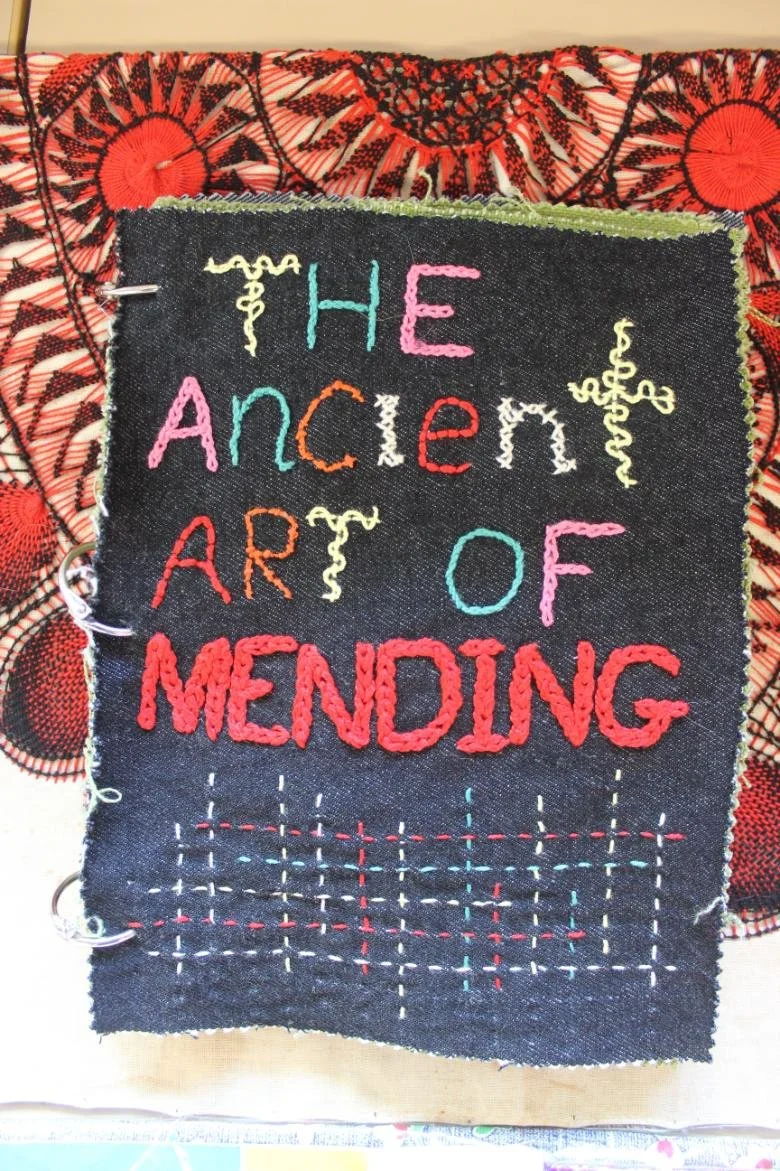 Image 4 of 20
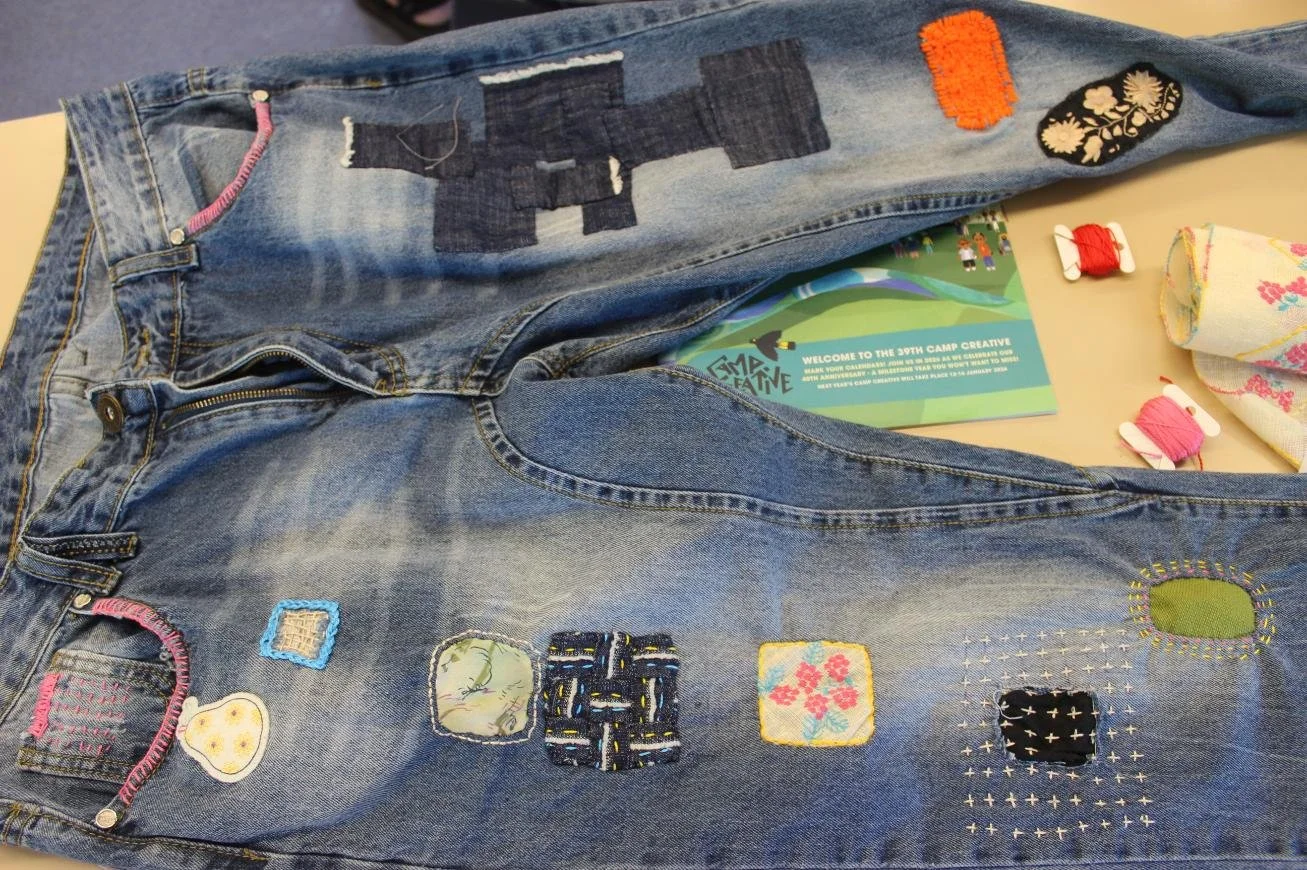 Image 5 of 20
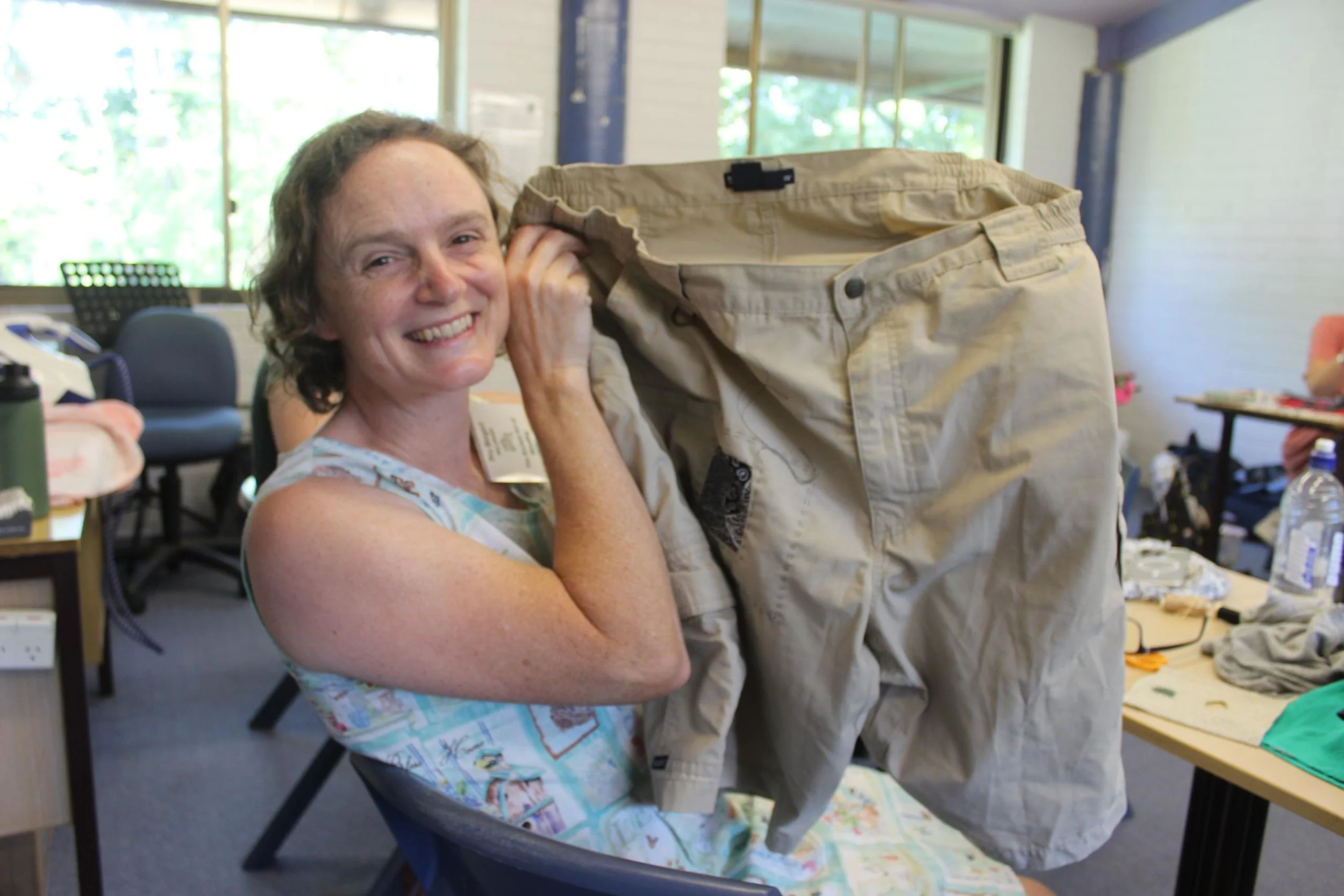 Image 6 of 20
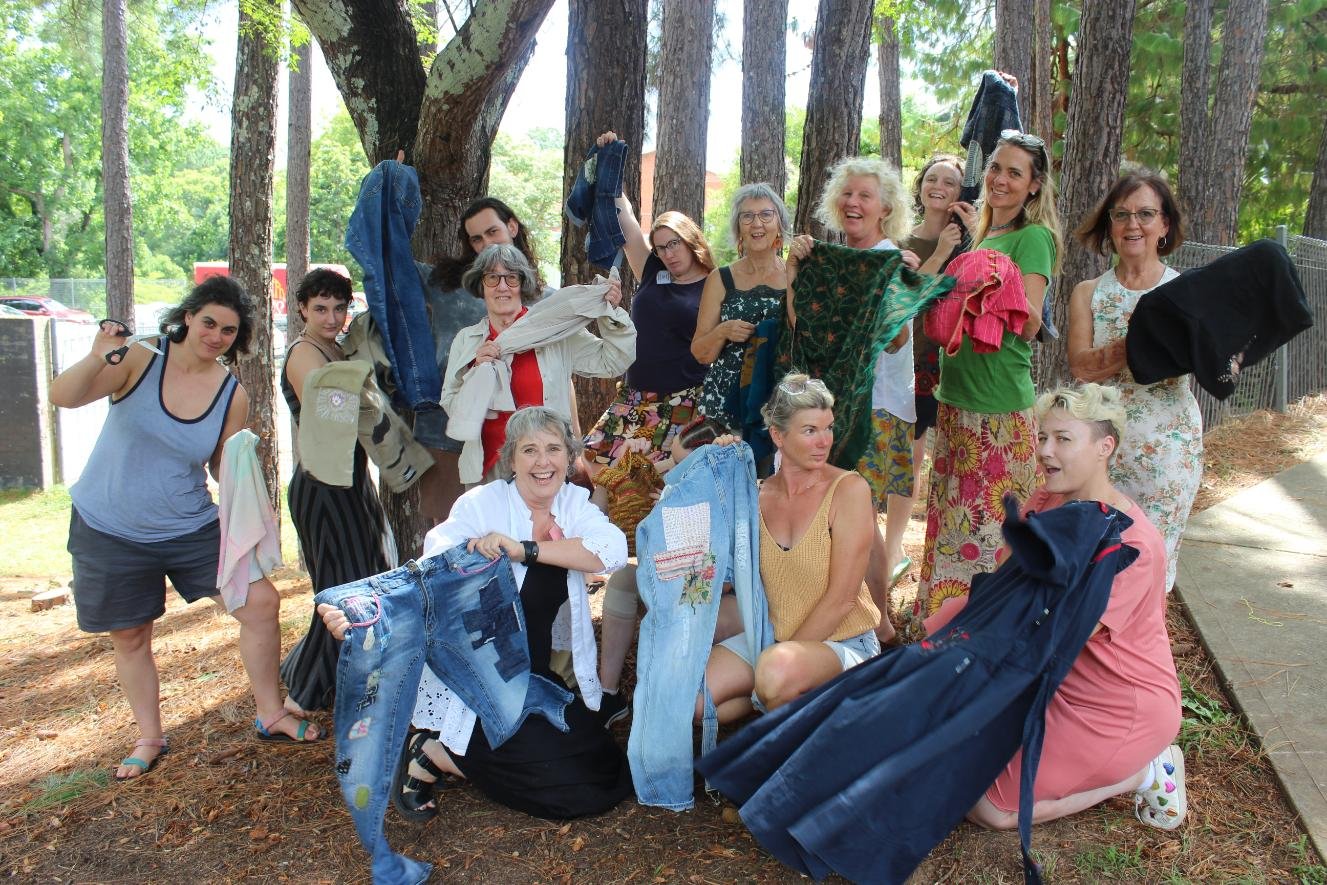 Image 7 of 20
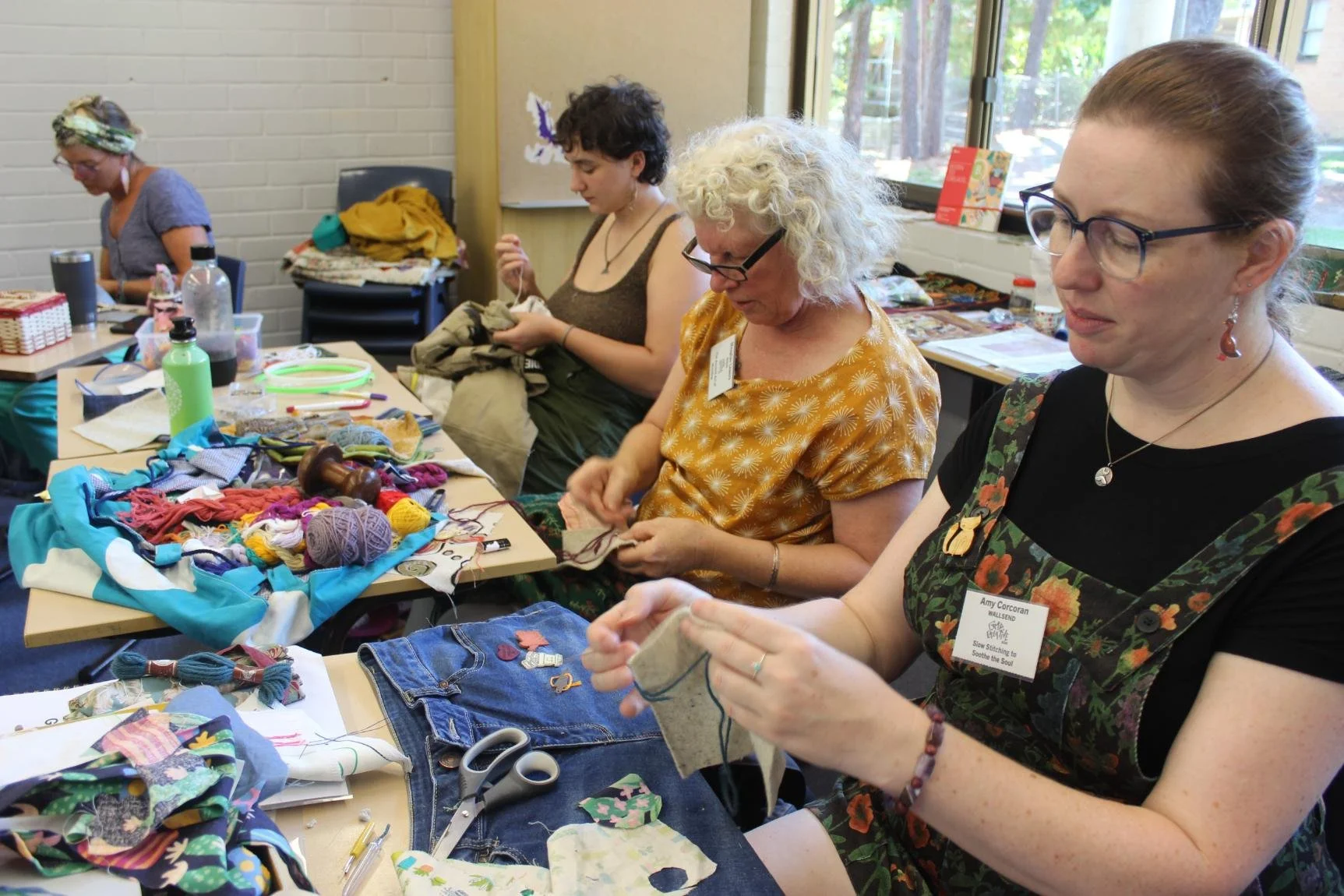 Image 8 of 20
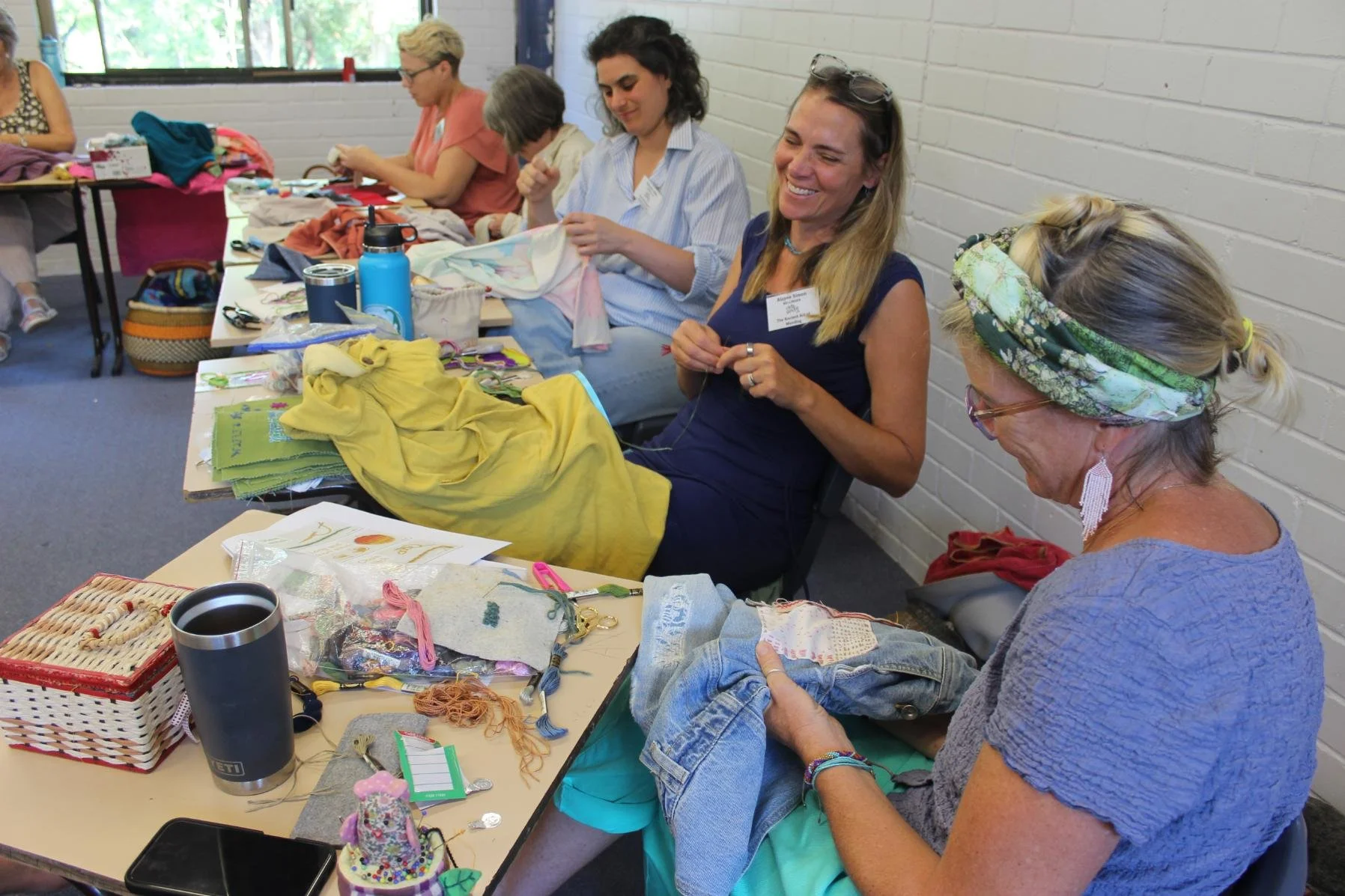 Image 9 of 20
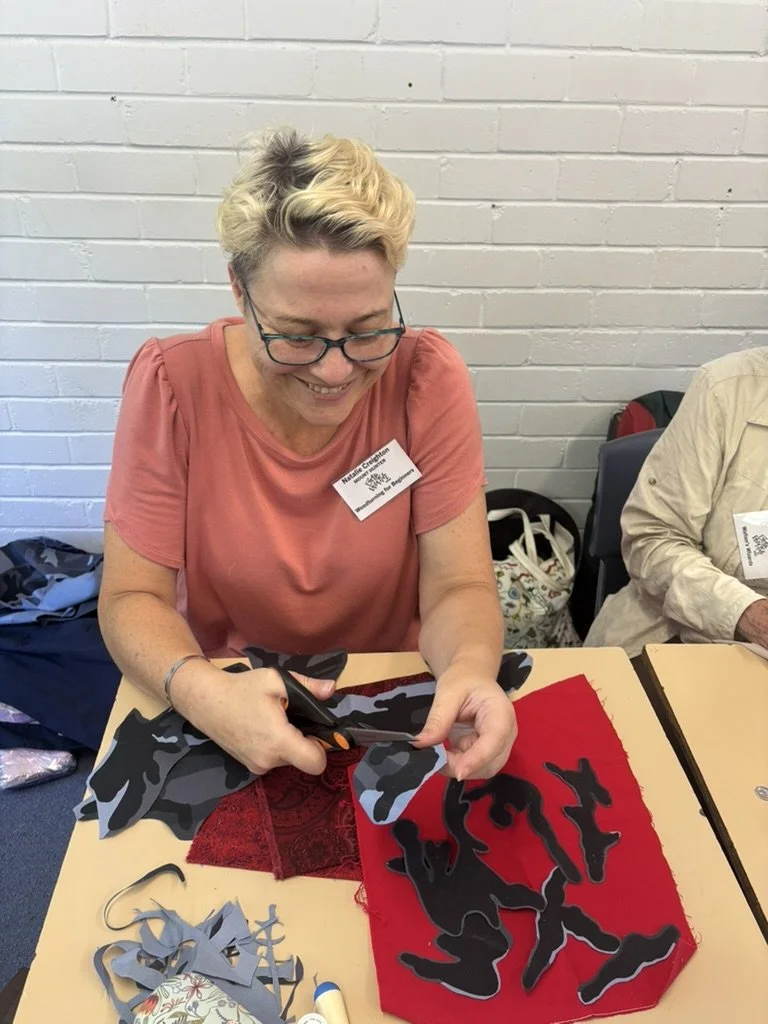 Image 10 of 20
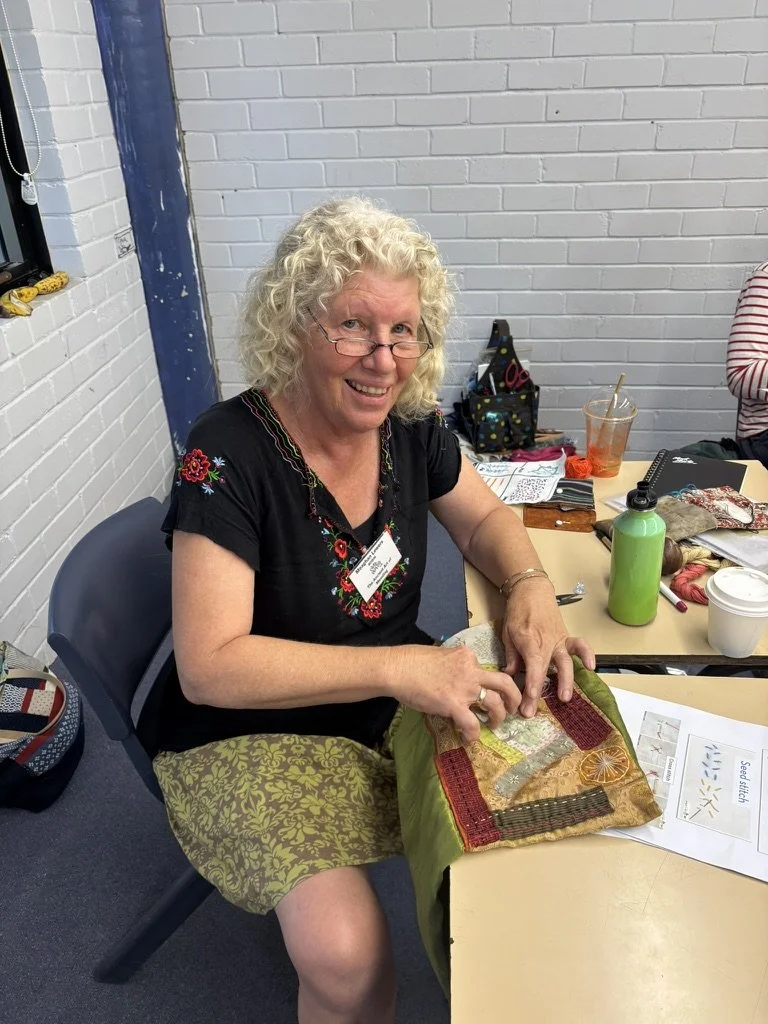 Image 11 of 20
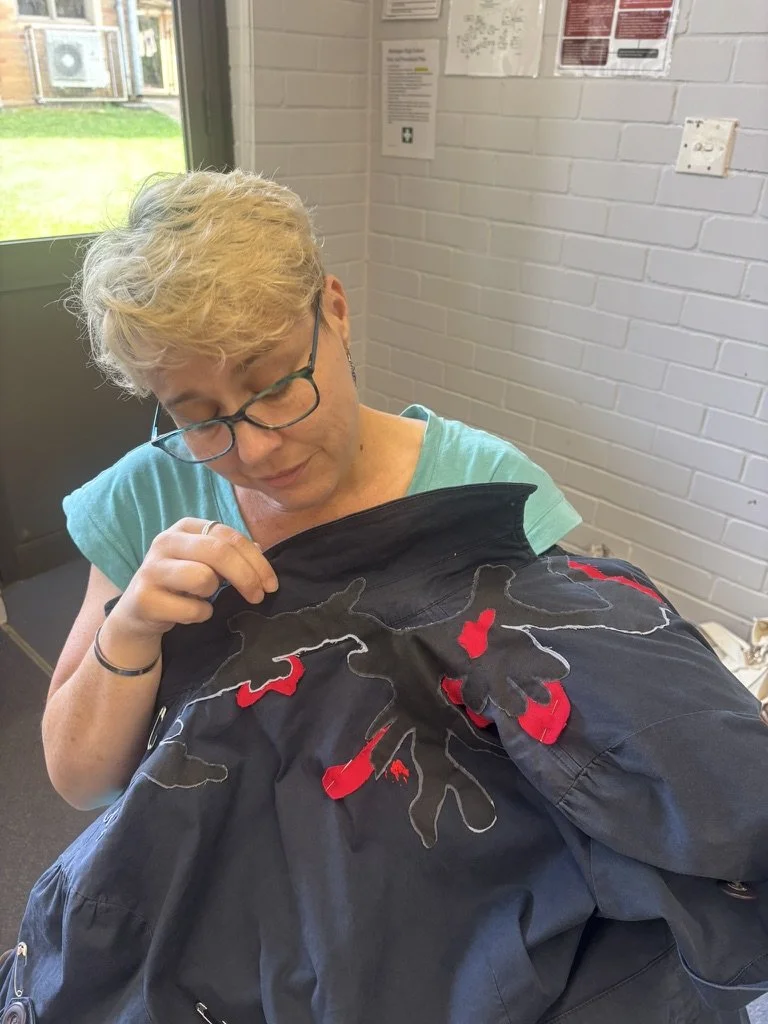 Image 12 of 20
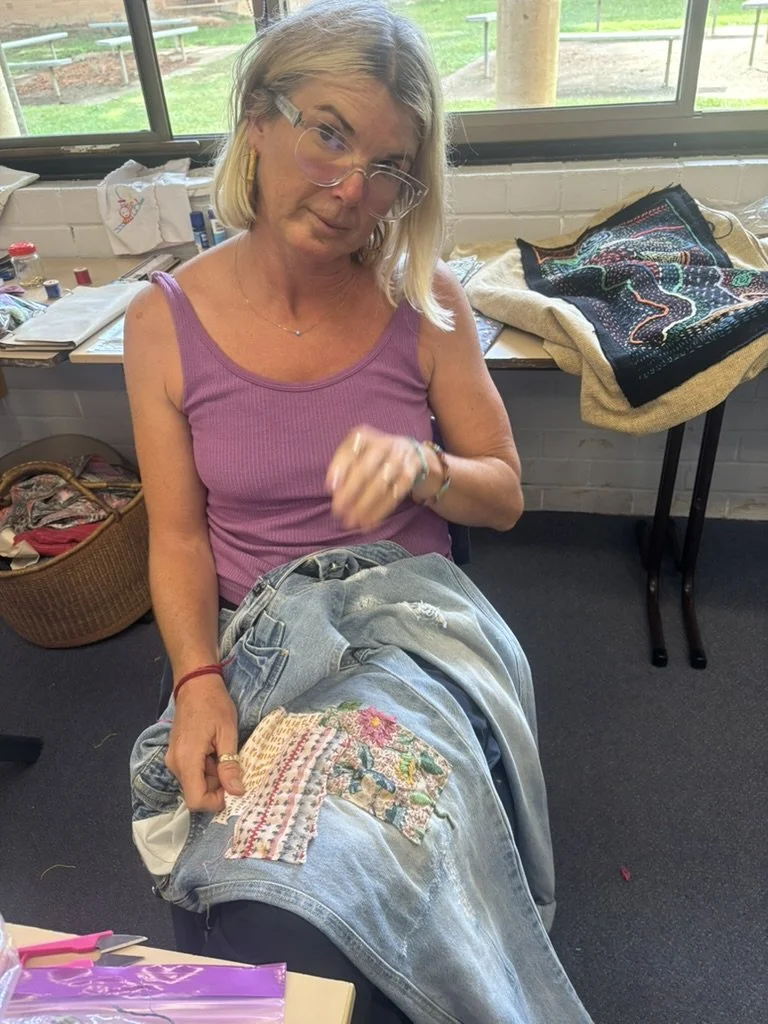 Image 13 of 20
 Image 14 of 20
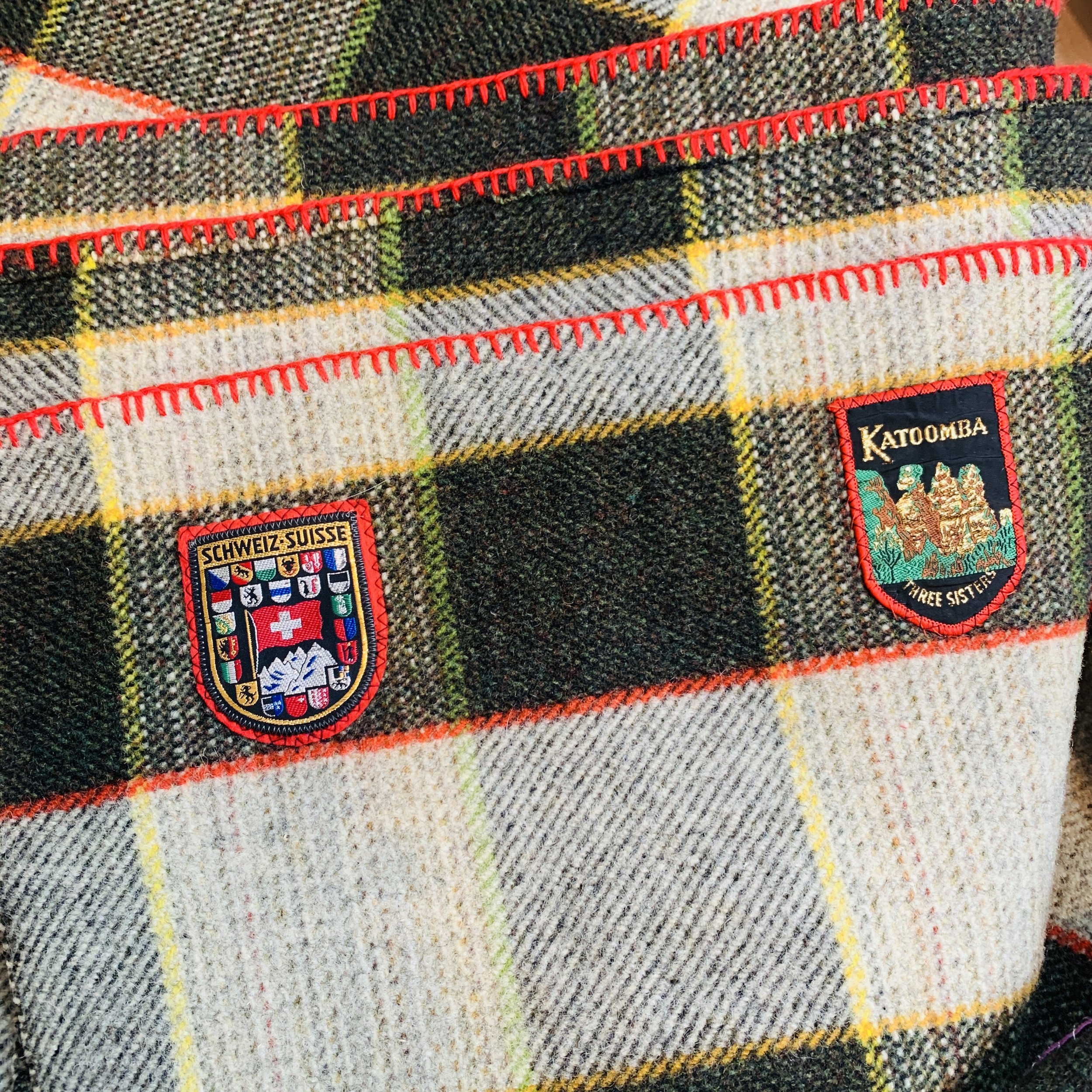 Image 15 of 20
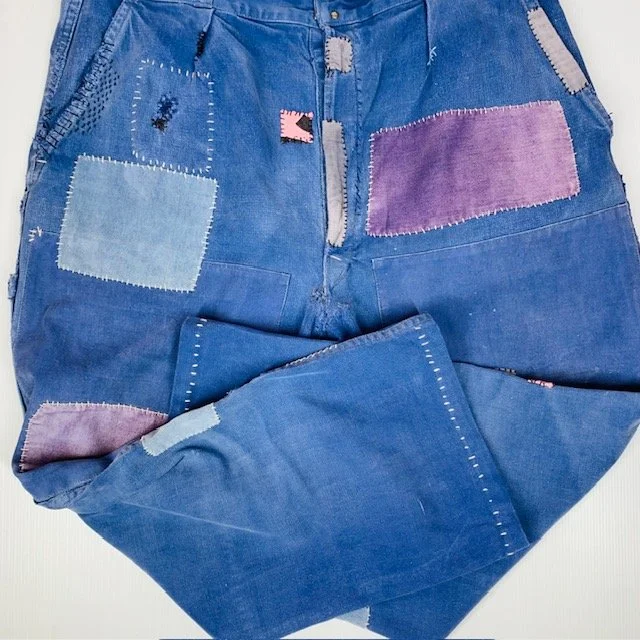 Image 16 of 20
 Image 17 of 20
 Image 18 of 20
 Image 19 of 20
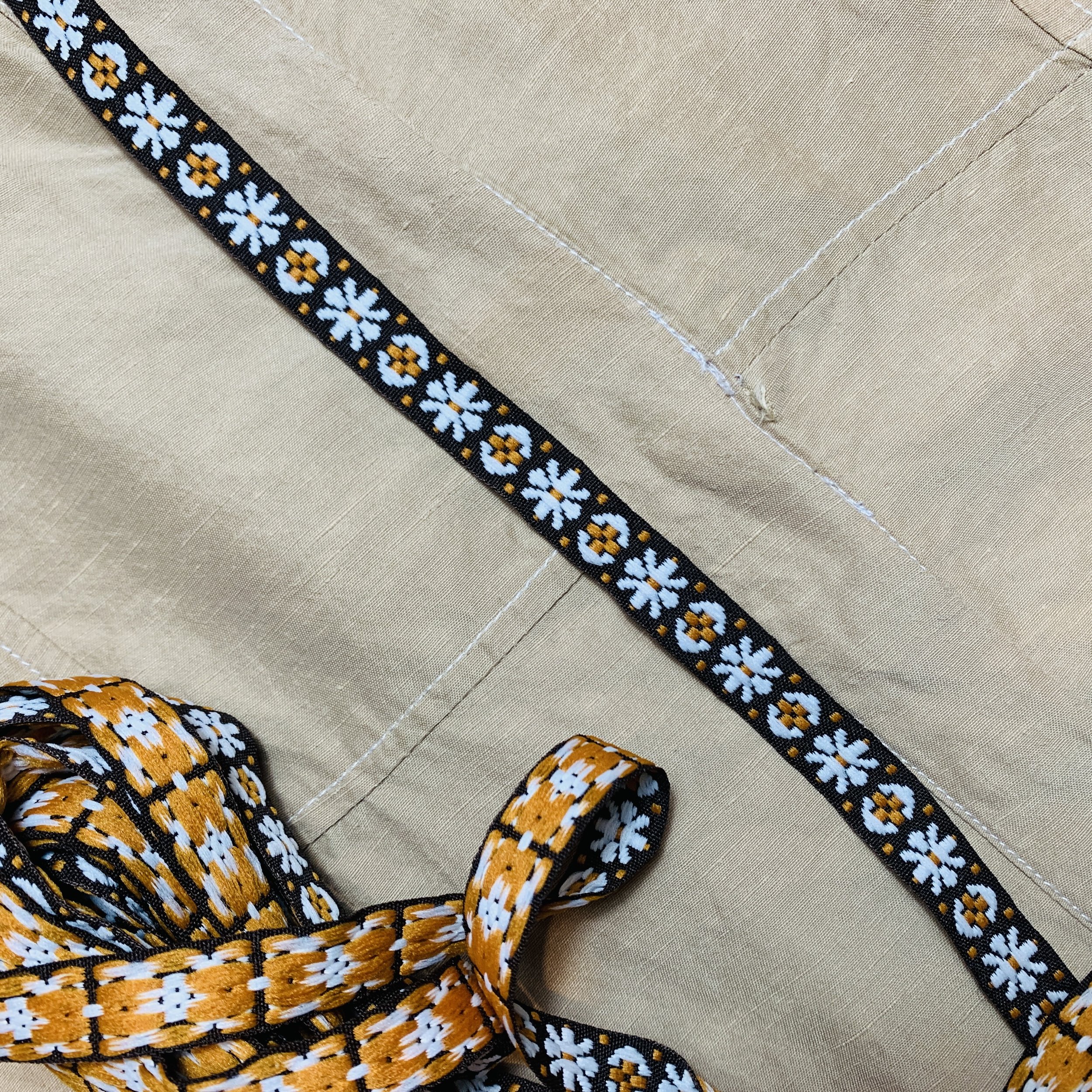 Image 20 of 20
ESSENTIAL INFO
If you purchase a ticket for this course, all the information on this page will be emailed to you with your ticket.
👥 Suitable for: Ages 18 and up
📍 Venue: Bellingen High School (Wheelchair Accessible)
📈 Level: Suitable for all skill levels
⏰ Schedule: Mon–Fri, 1pm – 4pm (5 Half-Days)
🏷️ Extra costs: This course has a cost of $40 for materials
🚗 Check your venue: If you are booking multiple courses, we are unable to provide transport between venues.
Required skills & experience
No prior experience required but beginners are encouraged to do the Slow Stitching course at the same time.
Supplies that will be provided by your tutor
Cost of $40 includes:
Examples of stitching and mending from other cultures
Apron kit (including denim apron and straps)
Iron
Ironing board
Quilters’ tape
Scrap fabric
Thread
Fusing web
Trim - ribbon, braid, fringe
Bias binding
Bias binding machine
Buttons
Press studs
Scissors
Fabric scraps
Needle threaders
Needle cases
Paper
Stationery such as erasable pens, pencils, rulers, rubbers
NOTE: Supply costs will be collected by the tutor before Camp Creative.
Supplies that you need to bring to class
Everything will be provided by the tutor, but participants can bring their own favourite stitching supplies if they prefer.
Learning outcomes
Create a completed apron that showcases a range of repair, embellishment, and surface-design techniques that you can apply to your mending projects.
Use traditional edge-finishing and mending methods to strengthen fabric edges while adding decorative details to your apron.
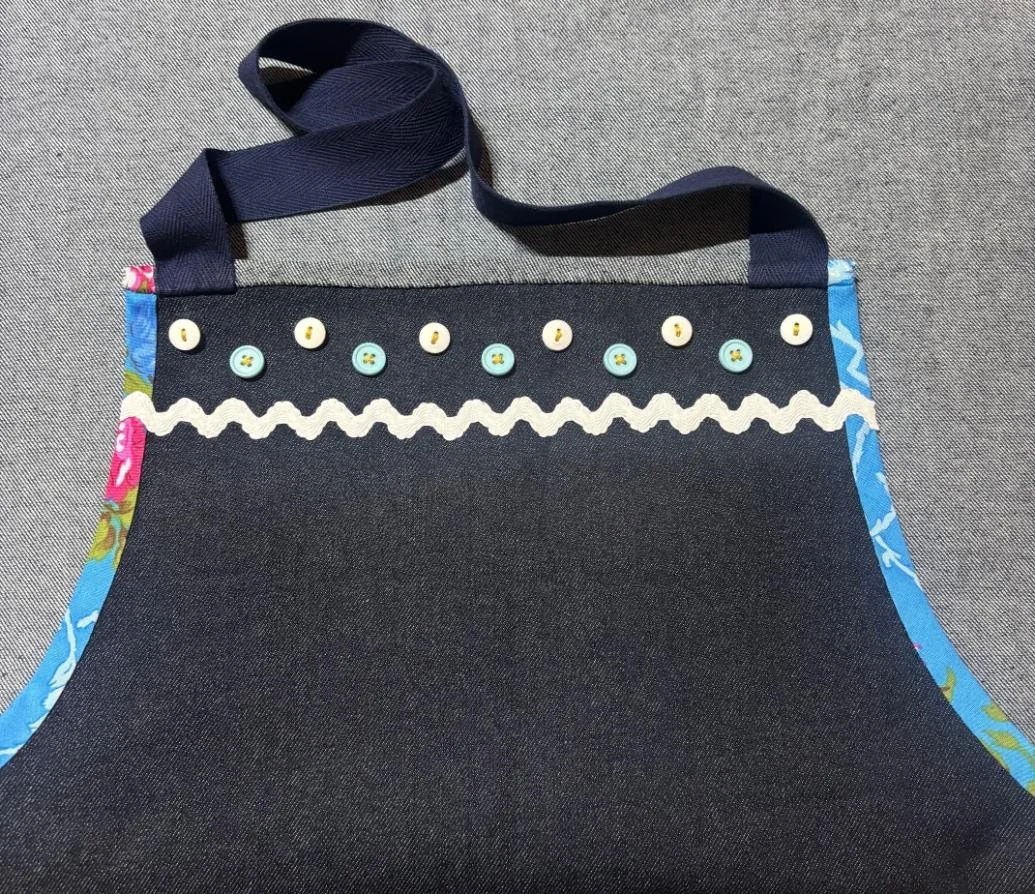
Apply buttons as decorative elements, adding character and flair to your apron.
Design and apply a personalised appliqueembellishment that combines creative expression with practical textile repair techniques.
Apply needle-weaving techniques to repair worn or damaged fabric and incorporate decorative trims such as lace, ribbon, braid, or fringe to enhance and reinforce textile items.
Explore the rich traditions of Kantha, Boro and Sashiko and use these visible-mending techniques to strengthen and creatively embellish your apron.
COURSE PLAN
DAY ONE - Intro, equipment, history & edge finishes
Introduction to the course and general housekeeping, history of stitching and introduction to sewing.
Discuss equipment available for course use. Participants pay equipment fee. Distribute apron packs.
Discuss samples and types of mending used around the world in history. Discuss contemporary ways of mending such as visible mending. Look at planning appropriate mending, marking fabric and stitching evenly and consistently.
Edge finishing is a technique applied to the raw cut edge of fabric to prevent it from unravelling or fraying. It ensures the garment remains durable and looks finished from inside and out. We look at techniques such as hemming, deliberate fraying, blanket stitch and binding to finish edges. You will then apply these techniques directly onto the apron.
DAY TWO - Buttons
Buttons securely join two edges of fabric together and get lots of use, so frequently need mending. We look various types of buttons which will use to add a decorative button pattern to the apron.
DAY THREE - Applique
Applique is a decorative mending technique where smaller pieces of fabric are attached to a larger background fabric to create patterns. You will create an applique design and attach it to the apron by fusing and stitching.
DAY FOUR - Needle-weaving &trim
Needle weaving is a repair technique that mimics loom weaving and is mainly used to mend holes. Trim is any decorative embellishment added to a garment, like lace, ribbon, braid or fringe. Both are used extensively to coverup worn out areas of fabric. You will be adding needle weaving and trim to the apron.
DAY FIVE - Kantha, Boro and Sashiko
Boro is the Japanese art of patching and repairing worn textiles using scraps and layers of fabric. Sashiko is the decorative, functional running stitch used to hold those patches together. Kantha is similar but is from India and uses rows of running stitches to combine scraps of fabric. These techniques both form a beautiful, sustainable visible-mending technique and you will be applying them techniques to the apron.
This course can be done by itself, or in the perfect pair!
Check out Suzie’s other course, Slow Stitching to Soothe the Soul.
COURSE TUTOR
Suzie Wynn Jones
Suzie has been a maker and teacher for most of her life. She started sewing at a young age, creating and designing garments and homewares that she embellished with stitching, trims and applique and continues to design, construct, refashion and fix garments in her small studio in Sydney.
Recently, Suzie completed a Diploma in Applied Fashion at Ultimo TAFE where she learned new skills and gained valuable experience.
To create something new and beautiful, Suzie’s uses resources that are already available where possible. Genuine sustainable practices include sourcing second-hand materials and creatively using whatever is already in existence.
Each item she makes is unique, quirky and constructed to last a few lifetimes. Some are created from scratch; some are transformed a little and some beyond recognition, but all are sustainable, beautiful and loved by their new owners.

“Suzie was lovely, fun and knowledgeable. There was a great atmosphere in the class.”
“Absolutely brilliant - teaching, resources, vibe, and activities.”