Image 1 of 12
 Image 2 of 12
 Image 3 of 12
 Image 4 of 12
 Image 5 of 12
 Image 6 of 12
 Image 7 of 12
 Image 8 of 12
 Image 9 of 12
 Image 10 of 12
 Image 11 of 12
 Image 12 of 12
ESSENTIAL INFO
If you purchase a ticket for this course, all the information on this page will be emailed to you with your ticket.
👥 Suitable for: Adults only 18+
📍 Venue: Bellingen Public School (mobility aid accessible)
📈 Level: Suitable for all skill levels
⏰ Schedule: Mon–Fri: 2 mornings in the classroom 9am-12pm, 3 mornings in the field 7.30am-12pm
⚠️ Extra info: This course involves fieldwork, students will need to carpool. It also may not be suitable for students with mobility issues.
🚗 Check your venue: If you are booking multiple courses, we are unable to provide transport between venues.
Required skills & experience
No experience required.
Supplies that you need to bring to class
Notebook
Binoculars (limited number of loan binoculars are available)
Telescope if you have one (not essential)
Any bird identification guide book that you own
Learning outcomes
Identify Native Species: Learn to quickly recognise a wide range of local birds by their colors, shapes, and behaviors.
Birding by Ear: Develop the skills to distinguish different bird species entirely by their unique songs and calls.
Use Field Gear Confidently: Master the use of binoculars and scopes to easily track and focus on birds in the wild.
Understand Local Habitats: Discover how different birds interact with the environment, including their nesting habits and diets.
Taking Field Notes': Understand the different ways you can record your wildlife sightings.
COURSE PLAN
On day one in the classroom, your tutor will assist with the carpool plan for the week, and also advise which days will be early starts.
DAY ONE - 9am start
An introduction to birdwatching
The books, apps and equipment needed.
Use of binoculars and telescopes
How are birds classified? Bird families, including examples the students are familiar with.
The importance of birds in the environment
Bird identification by plumage and calls
The importance of 'jizz'
Bird lifestyles - food, communication (especially song), movements (sedentary, nomadic or migratory) and reproduction.
DAY TWO
A day of fieldwork
Practical use of identification apps, binoculars and scopes.
The day will start at the estuary of the Bellinger and Kalang Rivers and then move on the woodlands, wetlands and farmlands of Yellow Rock Road, Urunga Wetland and Bellinger Keys .
Picnic lunch at Morgo Park
DAY THREE
Back in the classroom, and a discussion of what we learnt from the day of fieldwork.
How can you be further involved with birds?
How to attract birds to your garden
Bird organisations - BirdLife Australia and local clubs - Bird tourism Citizen Science - The Aussie Bird Count, the Shorebird Survey, Key Biodiversity Areas etc Birdata, eBird and how to enjoy surveying birds in a way that assists conservation.
Conservation issues - causes of widespread declines in bird numbers.
Land clearing and reclamation for development and the effect introduced predators
Local bird conservation issues and how you can help
DAY FOUR
A second day of fieldwork
Birding around Bellingen, then head up to the Dorrigo Plateau.
Birding around the Griffith Lookout, then the Wonga Walk (1km, undulating, sealed, track) in the Gondwana Rainforest of Dorrigo National Park.
Picnic lunch at The Glade
Course summary and discussion
DAY FIVE
This day will be arranged by the tutor, according to the weather during the week. It will likely be an extra day of fieldwork.
COURSE TUTOR
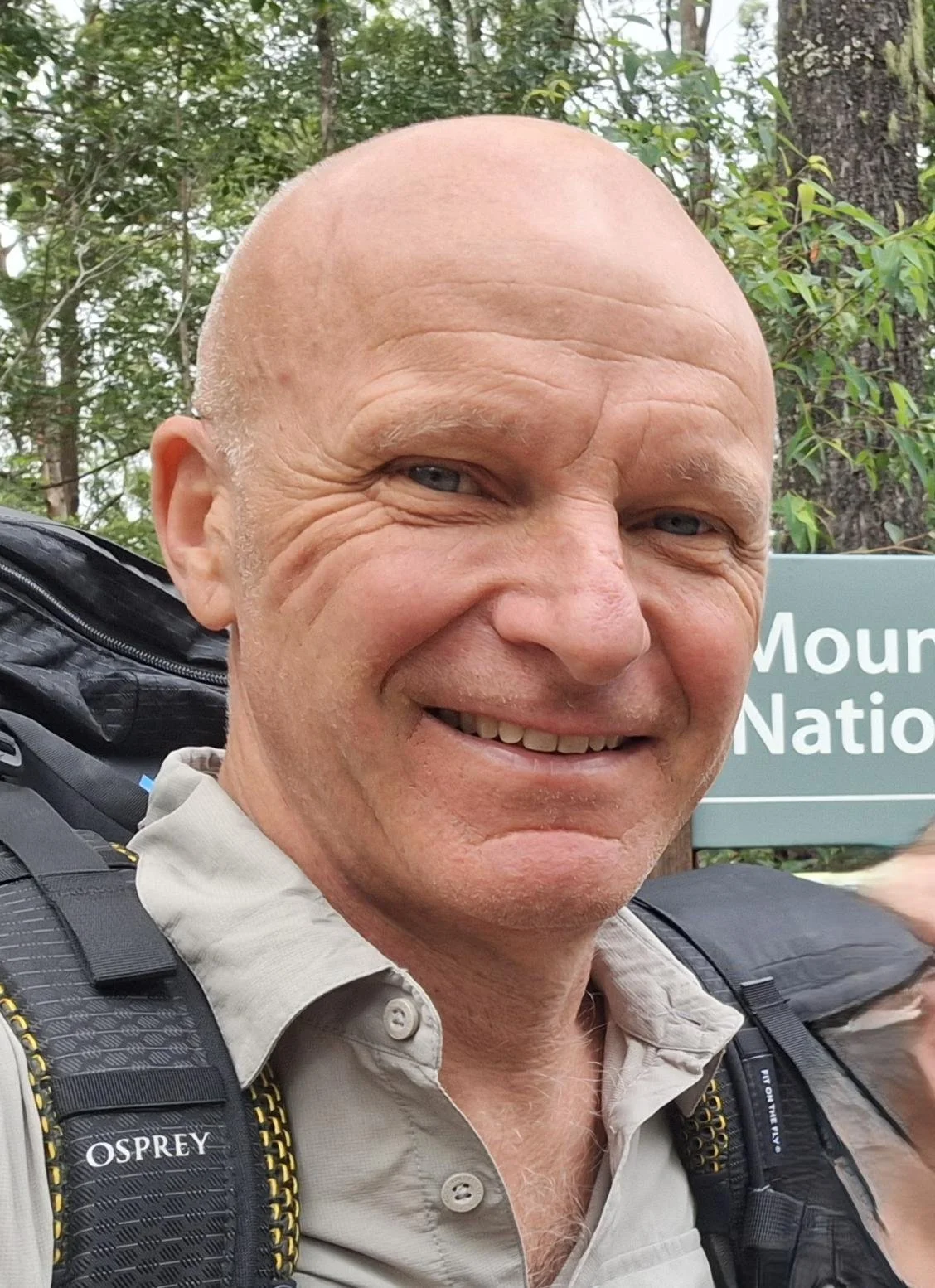
Gary Phillips
Gary has been a keen birder since childhood. Twenty years ago, this interest went further, with the completion of a post graduate course in Ornithology at Charles Sturt University. Since then, he has worked on numerous ecology field trips with the university, primarily to the arid zone of NSW as well as the Mallee country in Victoria. The focus of these trips is to teach university students some of the various wildlife research methods for Australian fauna, including birds.
He has been involved in a number of research projects, involving extensive bird surveys, closer to home on the Mid-north coast of NSW. He is also a member of the local bird club, 'Bellingen Birders' where he has led many day outings and organised a number of weekend campouts. In between all of this he spends the rest of his time, at home, chasing down the many bird species that share his home in Hyde's Creek.
“The tutor’s infectious enthusiasm and great knowledge of birds and where to see them gave me a great experience.”
BUY TICKETS
Not ready to book just yet?
Pop your details into the form and we’ll email you when this course is almost sold out.
By filling out the form below, you agree to receive email course status updates from Camp Creative.
Filling out this form DOES NOT GUARANTEE YOU A PLACE IN YOUR COURSE OF CHOICE, it is just a reminder system to purchase your ticket before it sells out.
If you wish to buy a ticket now, do so in the section above this one.